
Jun
Editor's Pick
Early Signs That Music Industry’s Instagram Era Is Fading: Artists Are On The Course Of Winning Again
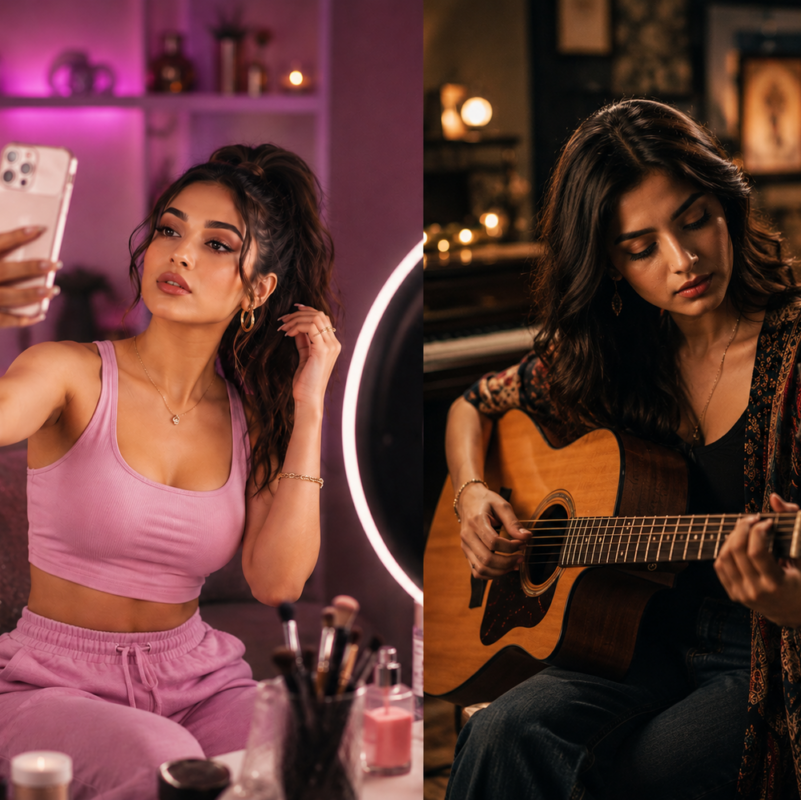
Mumbai, 3rd May 2026: For almost a decade, the music industry became obsessed with one metric above everything else: social media numbers. Followers became more important than fan loyalty, aesthetics became more important than artistry, and labels increasingly started treating Instagram reach as proof of musical relevance. In meetings across Mumbai, Los Angeles, Seoul, and London, the same logic repeated itself, if an artist already had millions of followers, building a music career around them would be easier. There has been a belief that if an influencer had millions of followers, planning marketing campaigns around him or her would translate into virality of the song. Emulating Instagram content creators like music and videos would generate traction and would mean higher probability of success, was one of the unstated principles. But in 2026, the cracks in that strategy are becoming impossible to ignore. Audiences are beginning to disconnect from “content-first musicians” and reconnect with artists who actually feel culturally authentic, emotionally honest, and creatively distinct. The shift is subtle, but it is fundamentally changing how success in music is being understood again.
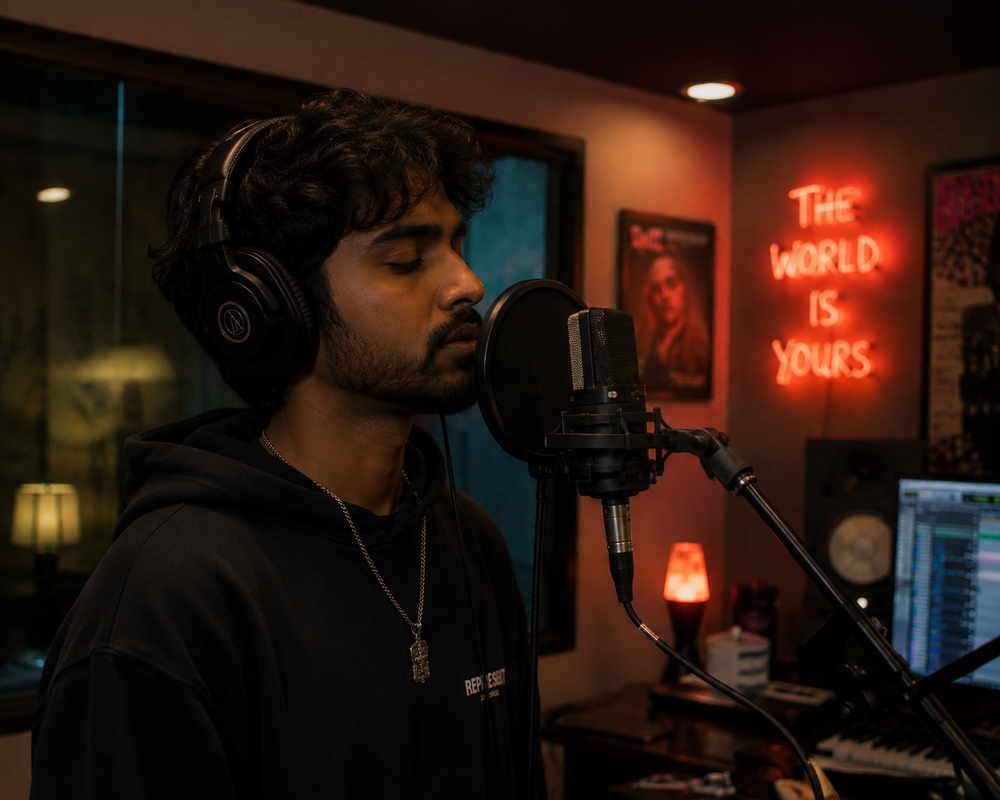
One of the clearest signs of this shift is the rise of artists who exploded purely because of the music itself, often without massive social media machinery behind them. Hanumankind became a global breakout largely because listeners connected with the raw energy and cultural confidence of Big Dawgs, not because of influencer-style content cycles. Chaar Diwaari built a deeply loyal youth audience through sonic experimentation and internet word-of-mouth long before mainstream brands fully understood his appeal. Internationally, Tom Odell saw Another Love become a global emotional anthem years after release because audiences emotionally reclaimed the song on TikTok and streaming platforms, not because of heavy creator marketing. Even artists like Mochakk or Fred again.. built massive fan communities through live experiences, emotional connection, and musical identity rather than perfectly curated influencer aesthetics. Their rise reflects something important: listeners still care deeply about music when it feels real.
At the same time, the industry is also witnessing the opposite phenomenon. Artists with enormous social media visibility are struggling to create music moments that genuinely stay in public memory. Many influencer-led music careers generated impressive launch numbers initially, but very few translated into songs with long-term replay value or cultural retention. Several internet personalities with tens of millions of followers continue releasing singles that trend briefly through paid reels, influencer collaborations, or fan-page circulation, only to disappear within days. The problem is not that these creators lack talent; it is that audiences have become highly aware of algorithm-driven hype. People can instantly identify when a song exists primarily for engagement farming rather than emotional storytelling. Viral reach without musical identity increasingly feels disposable. A massive Instagram audience may still guarantee visibility, but it no longer guarantees impact.
The streaming era itself exposed the weakness of follower-count culture. Platforms like Spotify, YouTube, Apple Music, and even live touring ecosystems reward repeat listening, emotional attachment, and community building far more than short-term virality. That is why artists with comparatively smaller social footprints are now selling out venues, building cult fanbases, and dominating listening habits. In India especially, audiences are moving toward musicians who reflect personality, vulnerability, regional identity, and sonic originality rather than just aspirational aesthetics. The rise of regional rap, independent pop, folk-fusion, live performance circuits, and emotionally transparent songwriting proves listeners are exhausted by hyper-curated influencer perfection. The future of music may not belong to the loudest creators online anymore. It may belong to artists whose songs continue surviving long after the algorithm stops pushing them.
Article by Vishwa Deepak Dikshit
Founder, MusiCulture
