
Aug
Digital Cover
August 2026 | ALL ABOUT MUSIC X: The Industry Pauses. The Future Plays On.
Three days. 3,000+ music professionals. A decade of conversations. And one question that now matters more than ever: where does Indian music go from here?
There are music conferences, and then there are moments when an industry gets the opportunity to look at itself.
All About Music X was the latter.
Held from August 25–27 at Mumbai’s Grand Hyatt, the landmark 10th edition of India’s leading B2B music conference brought together more than 3,000 attendees from across the music ecosystem. But its significance went beyond numbers. AAM X became a three-day conversation about what music is becoming, and what the Indian industry needs to do to keep pace.
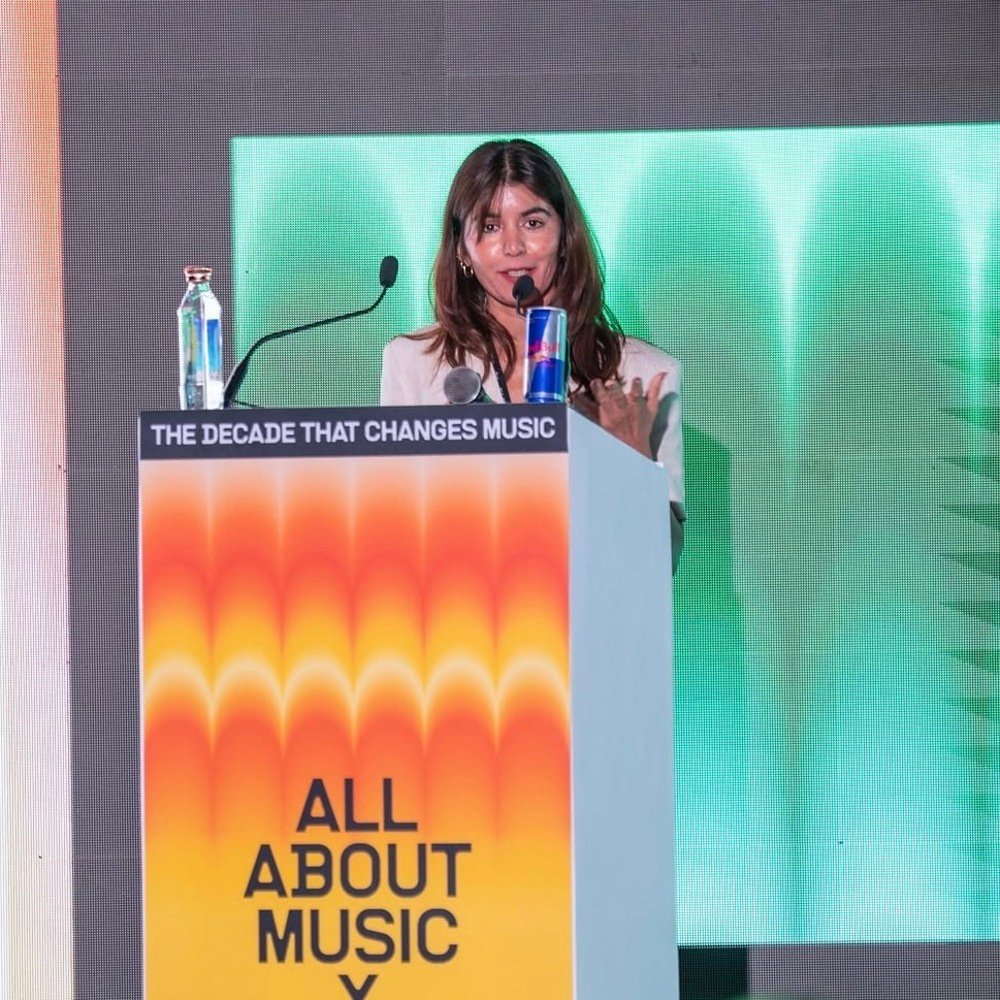
Over the past decade, All About Music has evolved alongside India’s music business. What began in 2017 as a platform for industry conversations has grown into a meeting ground for artists, labels, publishers, streaming platforms, technology companies, entrepreneurs, media professionals and global music executives.
And perhaps that is why the 10th edition felt less like a celebration of the past and more like a conversation with the future.
A Decade Later, The Questions Have Changed
Indian music has never been more accessible.
An artist can release independently, reach an audience without a traditional label, build a global following from a bedroom, sell merchandise directly to fans and potentially find an audience thousands of kilometres away.
At the same time, the industry has become infinitely more complicated.
Who owns the music? Who discovers it? Who controls the audience? How does an artist build a sustainable career? What happens when AI becomes part of the creative process? And how does Indian music travel beyond India?
These were not theoretical questions at AAM X. They were business questions.
And increasingly, they are questions of culture, technology and identity.
Day One: Looking Outward
The opening day established the global ambition of the conference.
From an overview of the international recorded-music market to discussions around Japan, film music and global electronic music, the conversation repeatedly returned to one theme:
India has the talent. The next challenge is global participation.
One of the most revealing discussions was ‘From Bedroom to Ibiza’, featuring Alex Tripi, Pete Tong and Garry Blackburn. The session examined the journey of electronic artists from emerging producers to global festival stages.
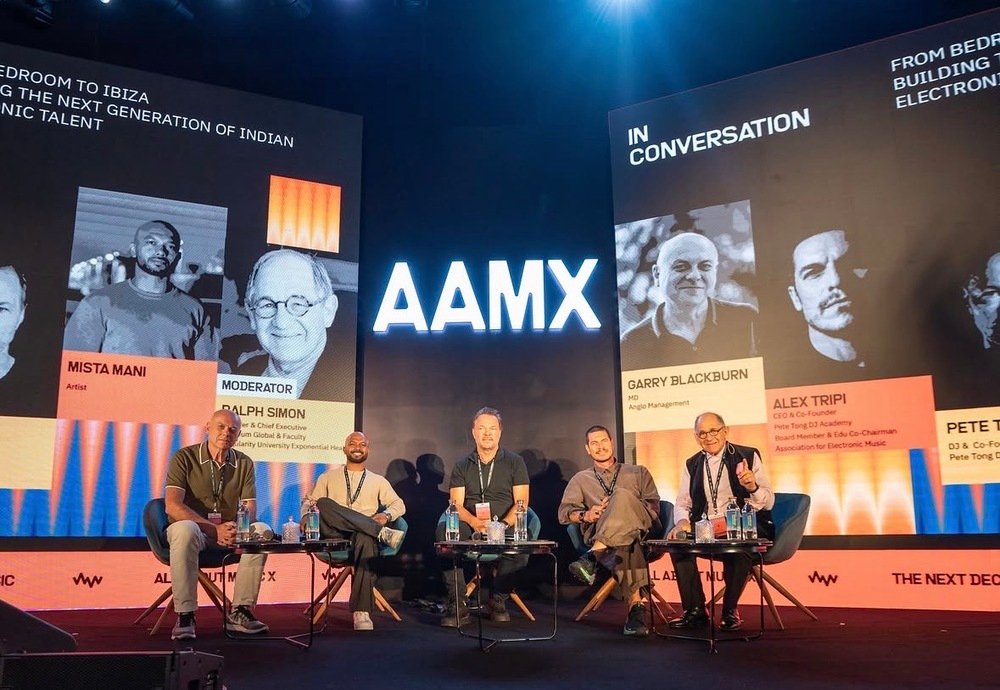
A statistic shared during the conversation was particularly striking: according to Tripi, among around 1,000 electronic music producers in Ibiza, only one is of Indian origin.
For a country with India’s enormous population and extraordinary musical diversity, that number should provoke more than surprise.
It should provoke action.
The global opportunity is clearly there. The question is whether India’s music ecosystem can create the infrastructure, education, management and international networks required to take advantage of it.
The New Music Map
The conversation around Japan was equally significant.
Takayuki Suzuki explored opportunities for Indian artists in the Japanese market, reinforcing an increasingly important reality: the global music map is no longer simply West-facing.
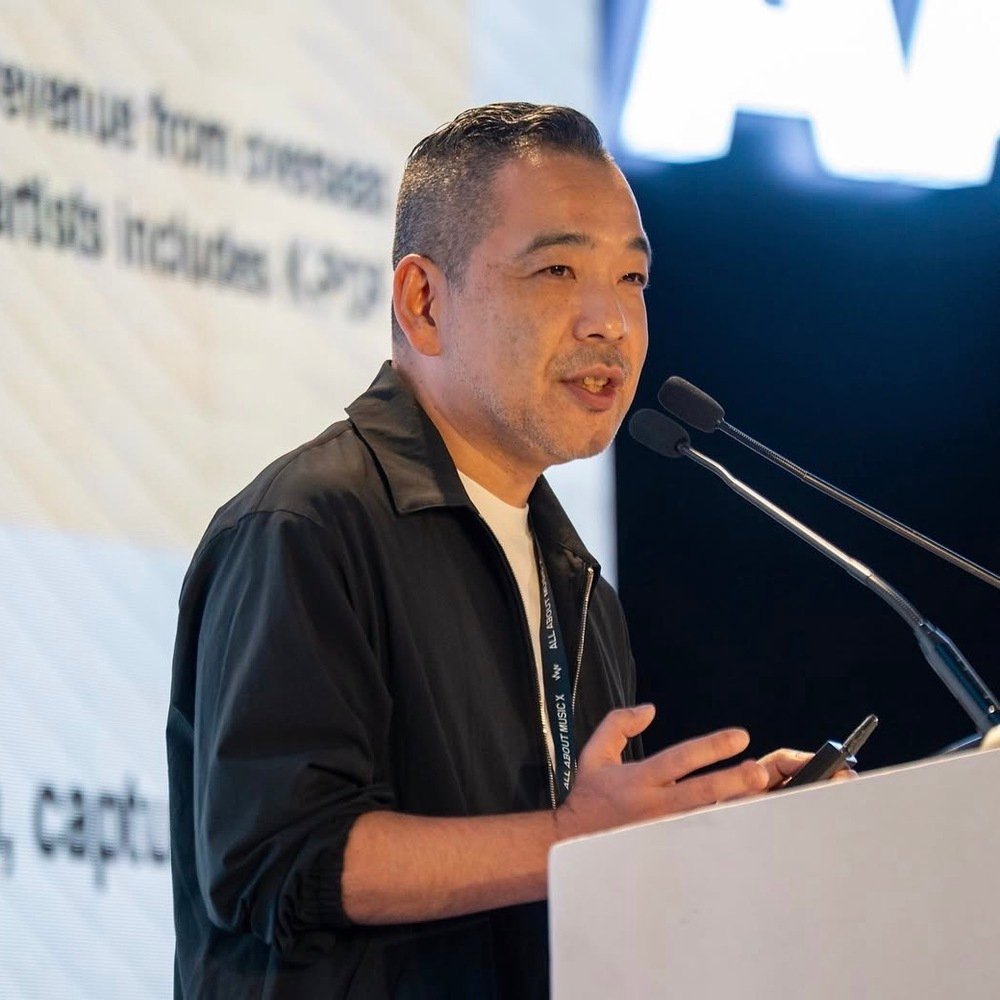
For Indian artists, markets across Asia could become increasingly important destinations for collaboration, touring, licensing and cultural exchange.
The next generation of Indian musicians may not necessarily have to choose between “Indian” and “international”.
They could be both.
Day Two: The Human Behind The Artist
If Day One looked outward, Day Two looked inward.
And perhaps its most important conversation wasn’t about technology, streaming or revenue.
It was about mental health.
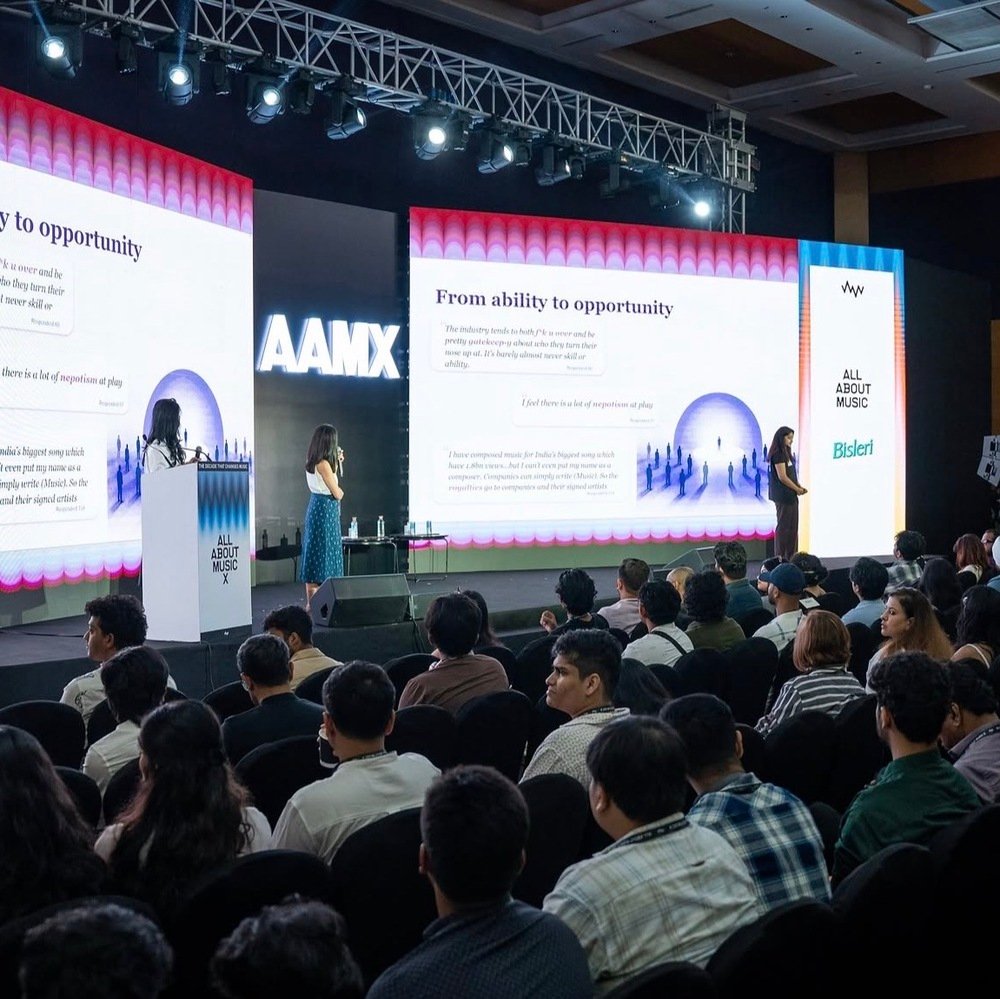
The presentation ‘It’s Time To Talk – A Report on Mental Health Awareness’, featuring existential psychotherapist Kripi Malviya and Meghna Balani of Global Music Institute, brought the subject to a major music-industry stage through research and survey data.
That matters.
Because behind every release schedule, streaming number, Instagram post and stage performance is a human being.
The music industry has traditionally celebrated resilience while often overlooking exhaustion. Artists are expected to constantly create, constantly perform, constantly promote and constantly remain visible.
The conversation at AAM X suggested that the industry’s next evolution cannot simply be technological.
It has to be human.
A Data-Driven Take
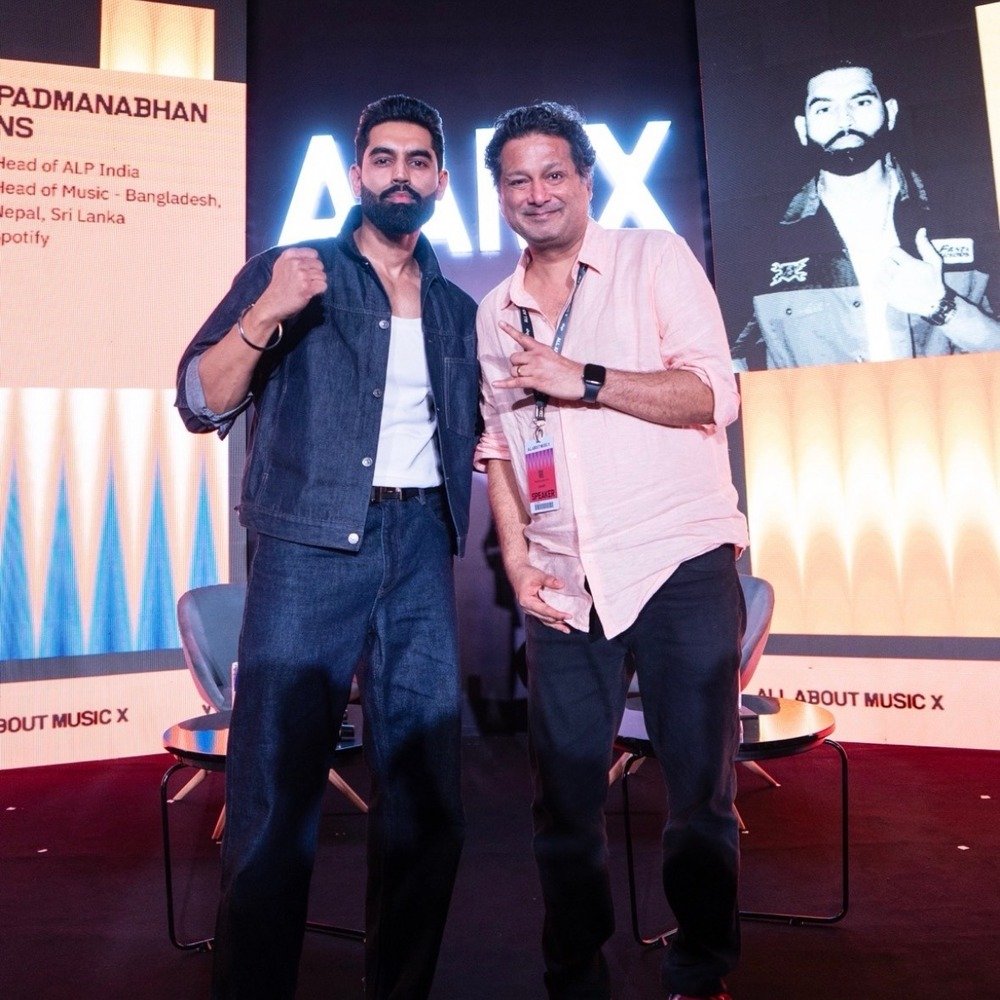
Adrian Sarosi, GM / VP International at Luminate, opened the day with a data-led look at how India is listening to music. His session moved across genres, age groups and demographics, while also examining the balance between the music India consumes locally and the music it sends out into the world.
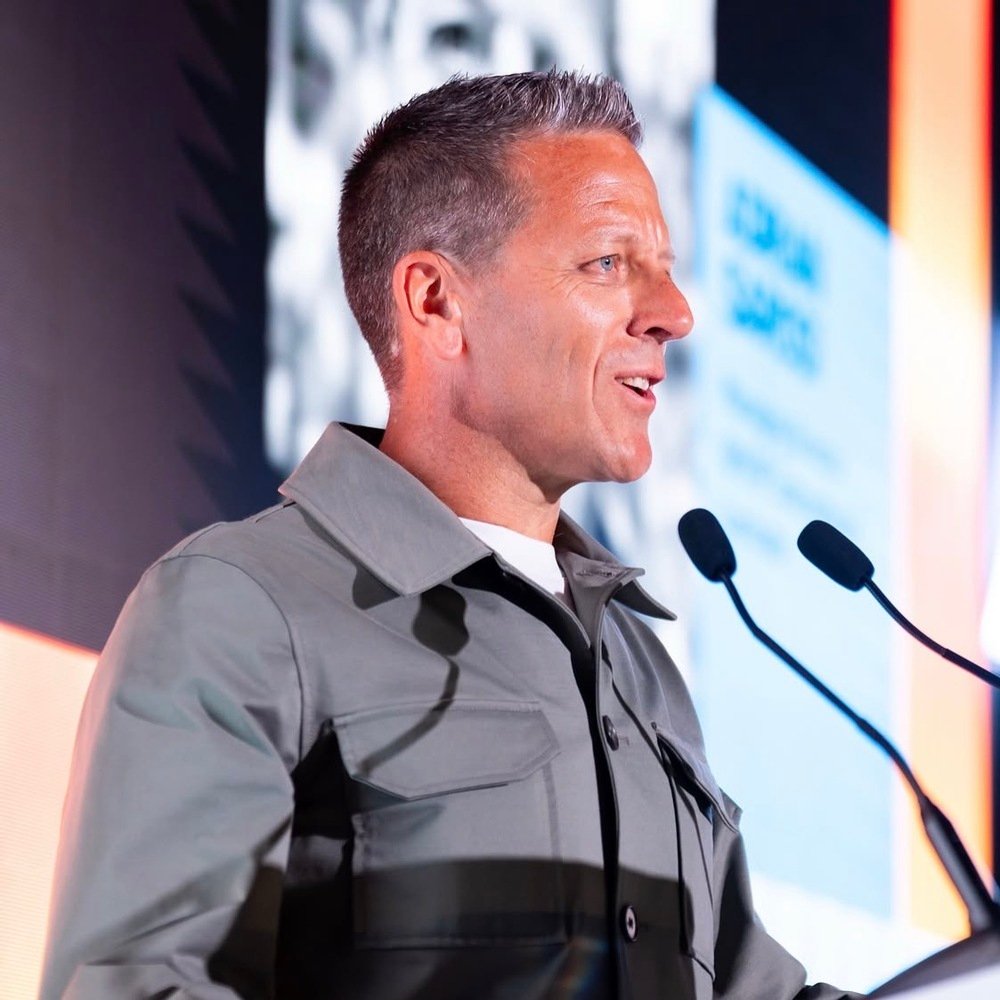
Sarosi noted that India currently sits “rock-bottom of the regional index” when it comes to premium streaming share, but the opportunity ahead remains significant. One of the most encouraging signals came from festival audiences: nearly two-thirds of attendees who currently use free streaming services indicated that they are considering moving to paid subscriptions within the next six months.
Among the most interesting takeaways from the session was Luminate’s view of the next wave of regional talent. Based on its data and chart analysis, Sarosi highlighted Reble, Kiran Bajwa and Kunwarr as three emerging Indian artists beginning to break through and build momentum.
From Audience To Community
The relationship between artists and audiences is changing too.
The fireside conversation between Rashmeet Kaur and YouTube’s Deepti Jasti explored how authentic folk influences can coexist with contemporary pop, and how cultural roots can become an asset rather than an obstacle in building a modern audience.
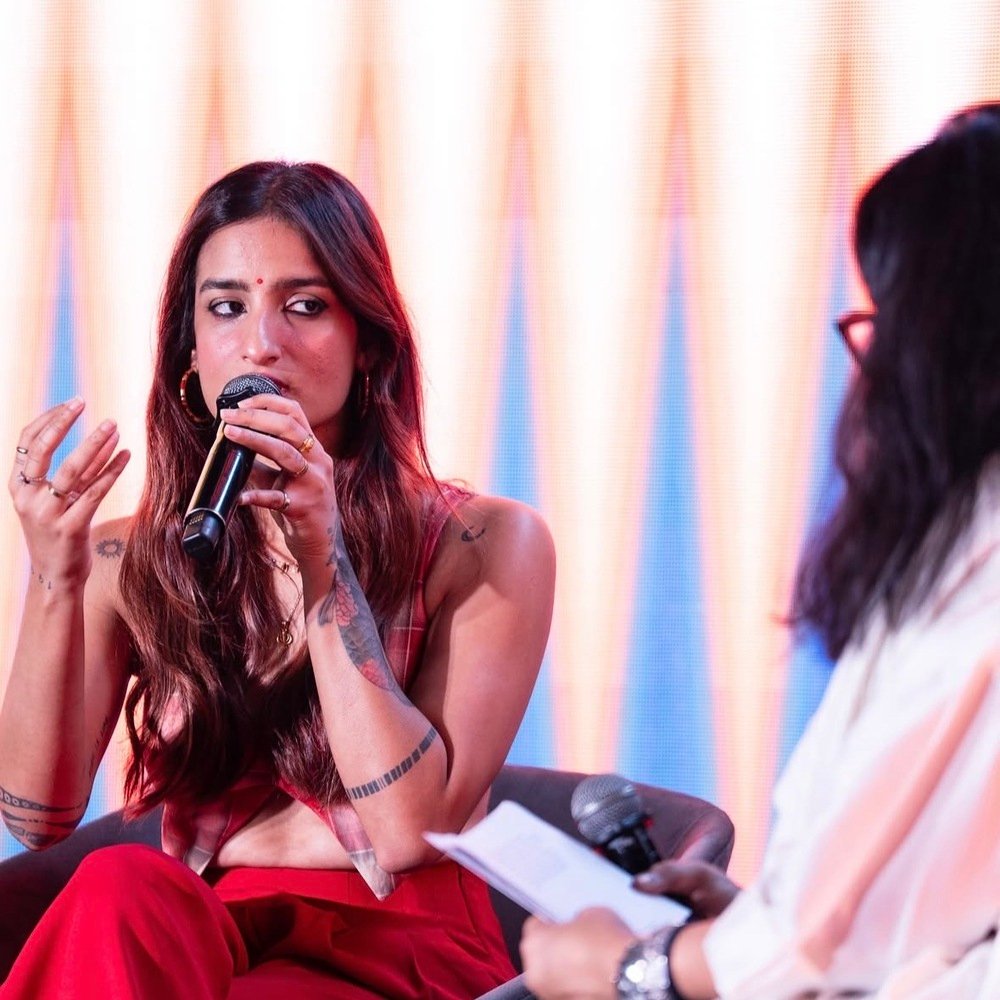
Elsewhere, the conversation around ‘Finding Fame and Building Fandom’ moved beyond streams and followers.
Merchandise. Livestreams. Direct fan relationships. Community.
These are becoming increasingly important components of an artist’s career. The modern fan isn’t simply a listener.
They are part of the ecosystem.
The Classics Don’t Disappear. They Evolve.
Perhaps the most beautiful quality of AAM X was the way it placed India’s musical past alongside its future.
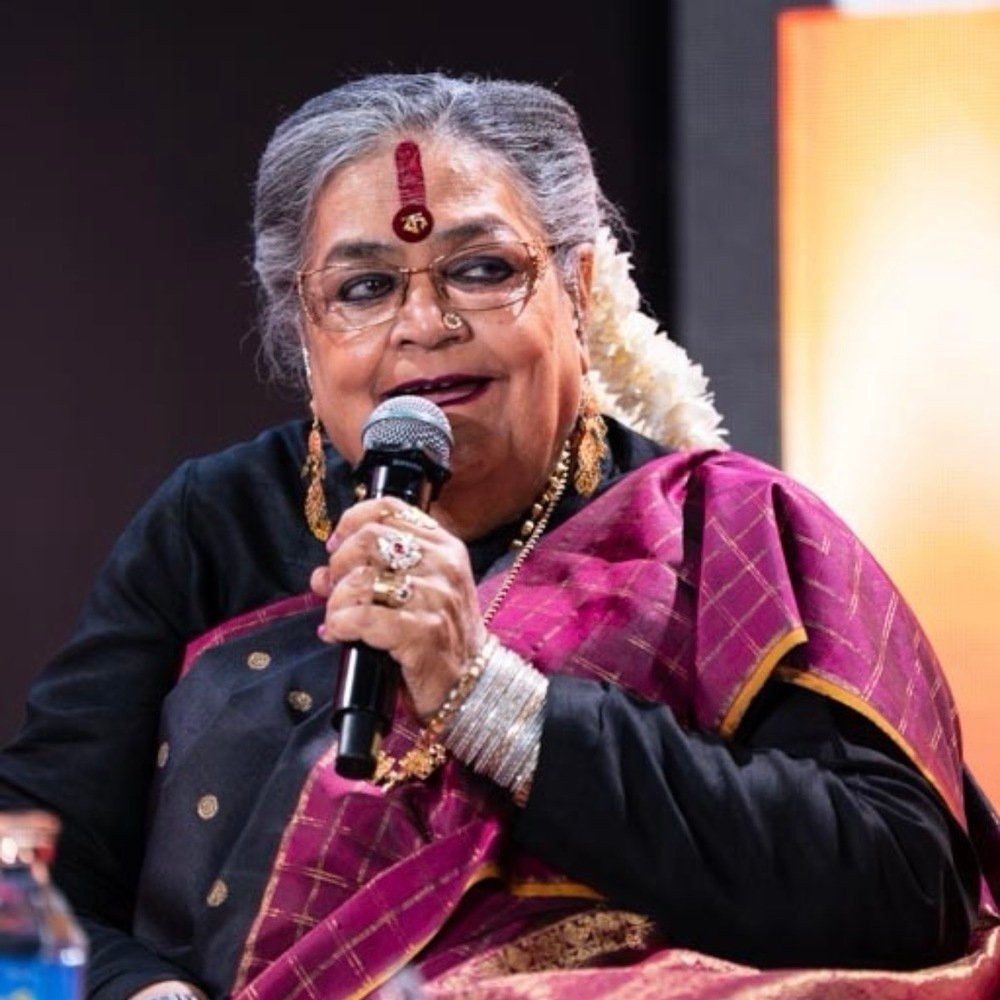
Veteran singer Usha Uthup brought the room to life in conversation with RJ Hrishikesh Kannan, reflecting on a career that has continued to evolve across generations. Her performances of Skyfall and a Bollywood medley became a reminder that longevity in music isn’t simply about staying relevant.
It is about remaining curious.
The Colonial Cousins, meanwhile, revisited their musical journey with industry veteran Atul Churamani.
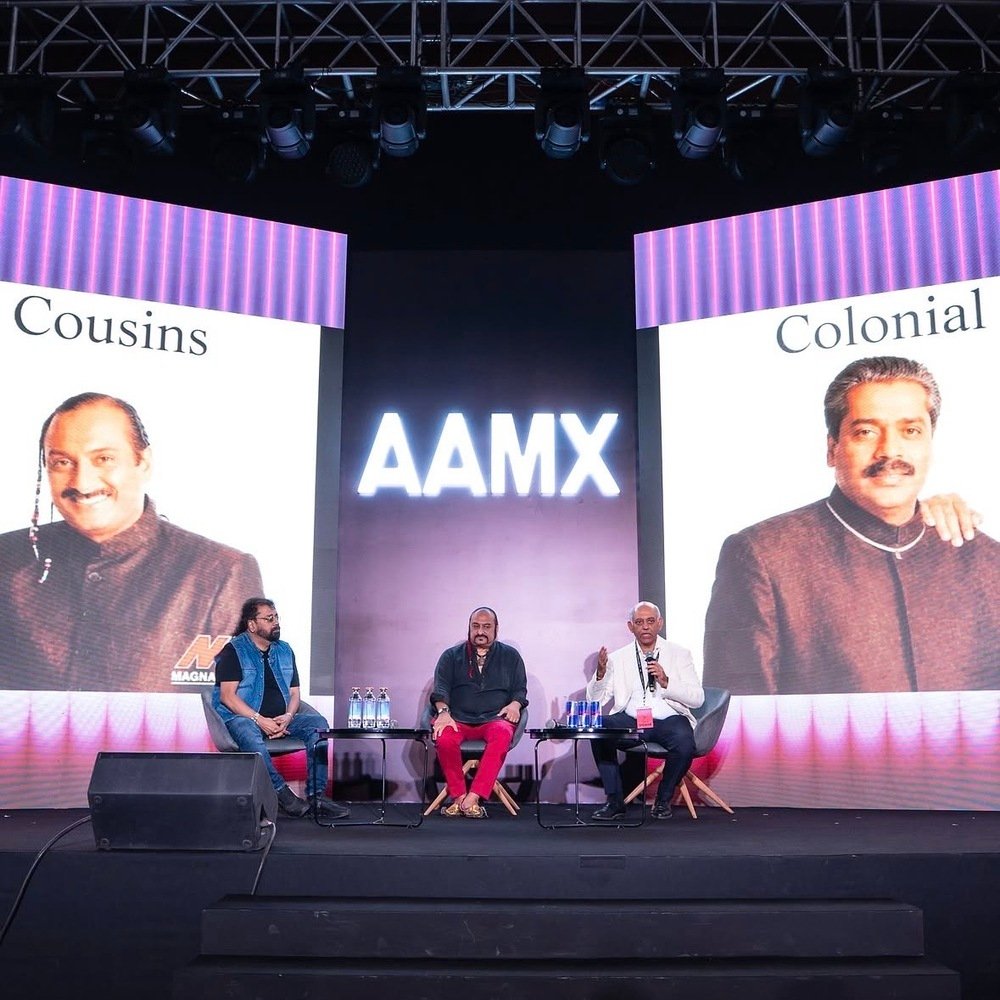
And then came Amaan and Ayaan Ali Bangash, discussing legacy, classical music and the challenge, and opportunity, of taking Indian classical sounds to global audiences.
Different generations. Different genres. One common question:
How do you carry your roots into the future without becoming trapped by them?
AI Is No Longer The Future
It is already here.
AAM X’s conversations around AI, cloud technology and the future of music acknowledged what the industry can no longer ignore.
AI is changing how music can be created, distributed, discovered and consumed.
But technology also raises uncomfortable questions around creativity, ownership, rights, authenticity and the value of human artistry.
For the music business, the challenge isn’t simply to ask whether AI should be embraced.
The bigger question is:
How do we build an ecosystem where technology amplifies creativity without erasing the creator?
That conversation will likely define much of the next decade.
The Return Of Something We Thought We Had Left Behind
Then came vinyl.
In an industry obsessed with the next thing, ‘The Vinyl Revival: Made In India, Made For Music’ drew a full house.
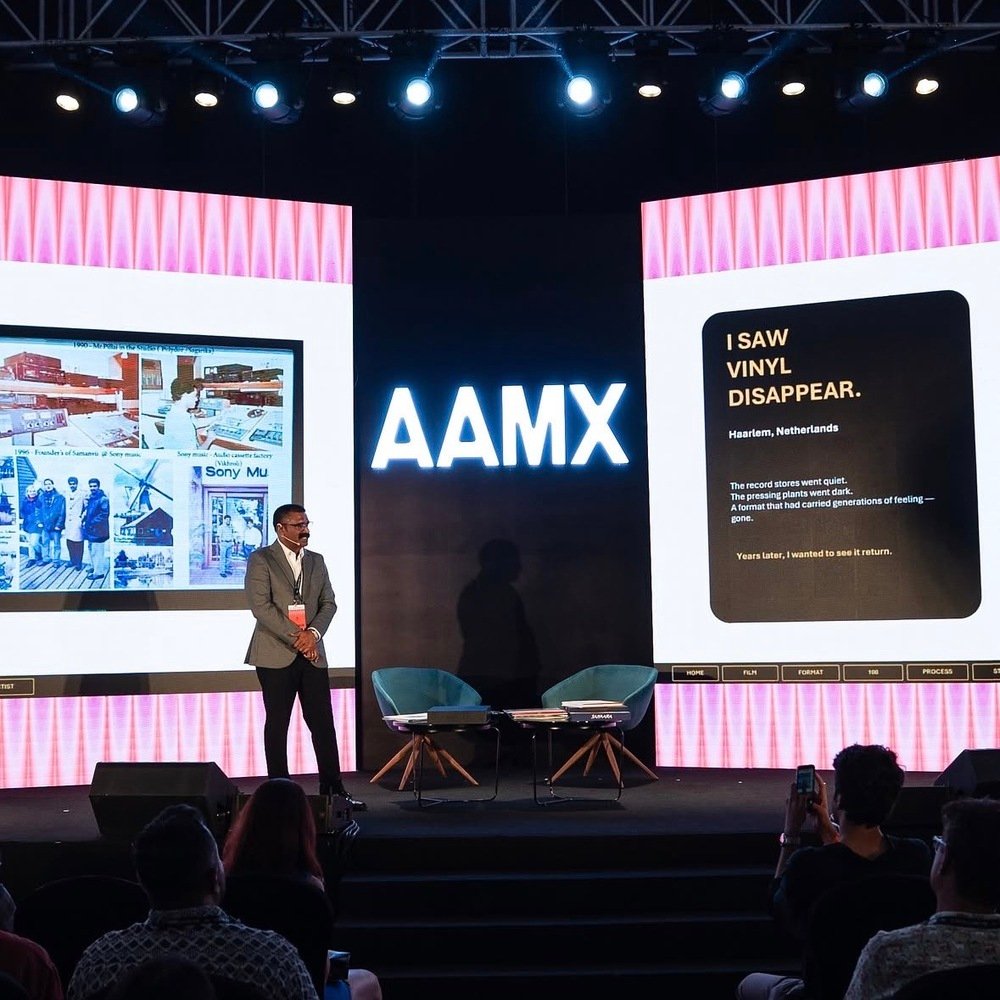
It is perhaps one of music’s most fascinating contradictions. Streaming represents convenience. Vinyl represents experience. One is infinitely scalable. The other is deliberately physical. And yet, both can coexist.
The vinyl revival isn’t necessarily about abandoning digital music. It is about the growing desire among listeners to own, touch and experience music rather than simply access it.
Absolutely. The earlier Day 3 draft was too much like a news recap. The attached cover-story format is much more editorial, reflective and thematic, with short section headers, narrative transitions, industry context and a larger takeaway. I’ve reworked Day 3 accordingly, using the Billboard India story as the factual source and the attached AAM X cover story as the stylistic and structural reference.
Day Three: The Artist Finds a Voice, a Business and a Future
The final day of All About Music X felt less like an ending and more like a question.
What does it take to build a music career today? Not simply a viral song. Not simply a great voice. Not simply number.
But a point of view. A repertoire. An audience. And increasingly, ownership.
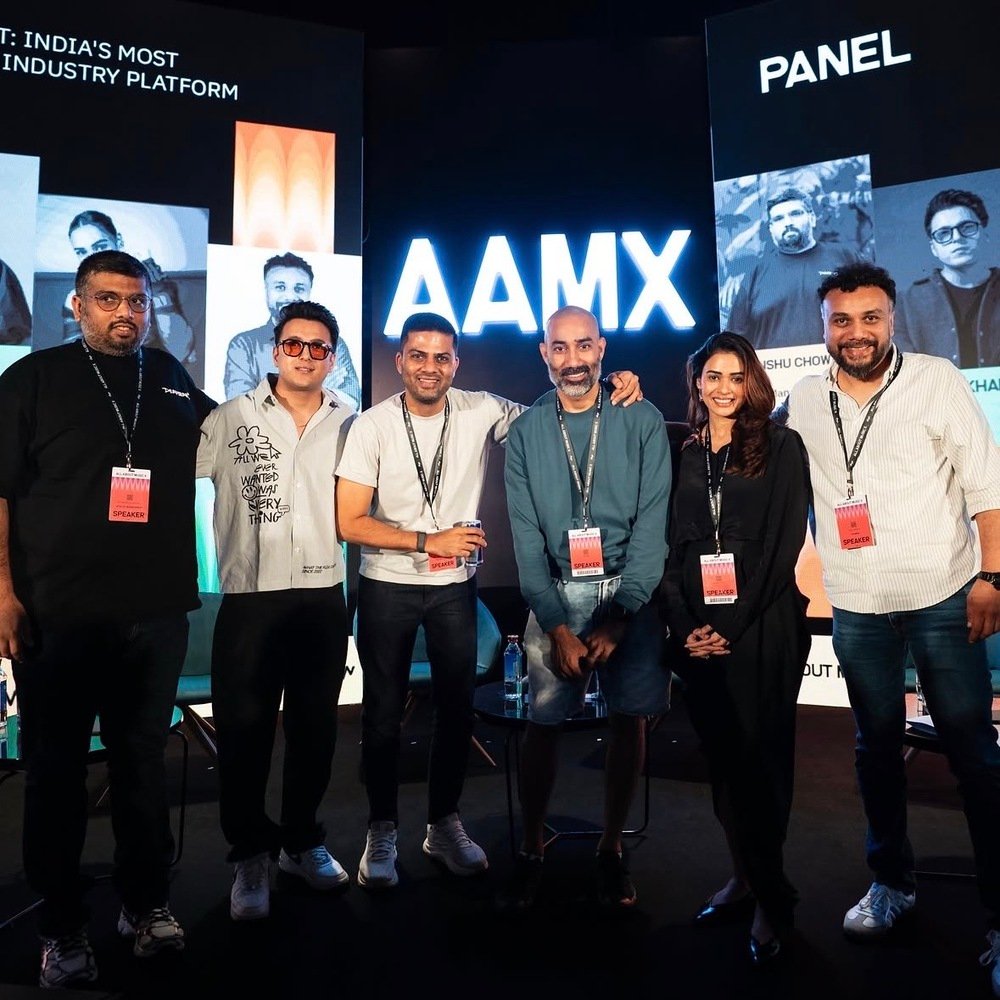
The tenth edition of All About Music had already moved through global markets, technology, mental health, fandom and the changing music economy. Day Three brought those conversations closer to the artist. Across sessions featuring Raja Kumari, Nucleya, Karan Kanchan, Chaar Diwaari, Arpit Bala and industry leaders, the conversation repeatedly returned to one idea: The modern artist has to understand much more than music.
The Freedom To Experiment
The Ask Me Anything session with Karan Kanchan, Chaar Diwaari and Arpit Bala was perhaps the most direct expression of that idea.
Moderated by Roshan Abbas, the conversation moved freely between virality, collaboration, experimentation and the responsibilities that come with having a public voice.
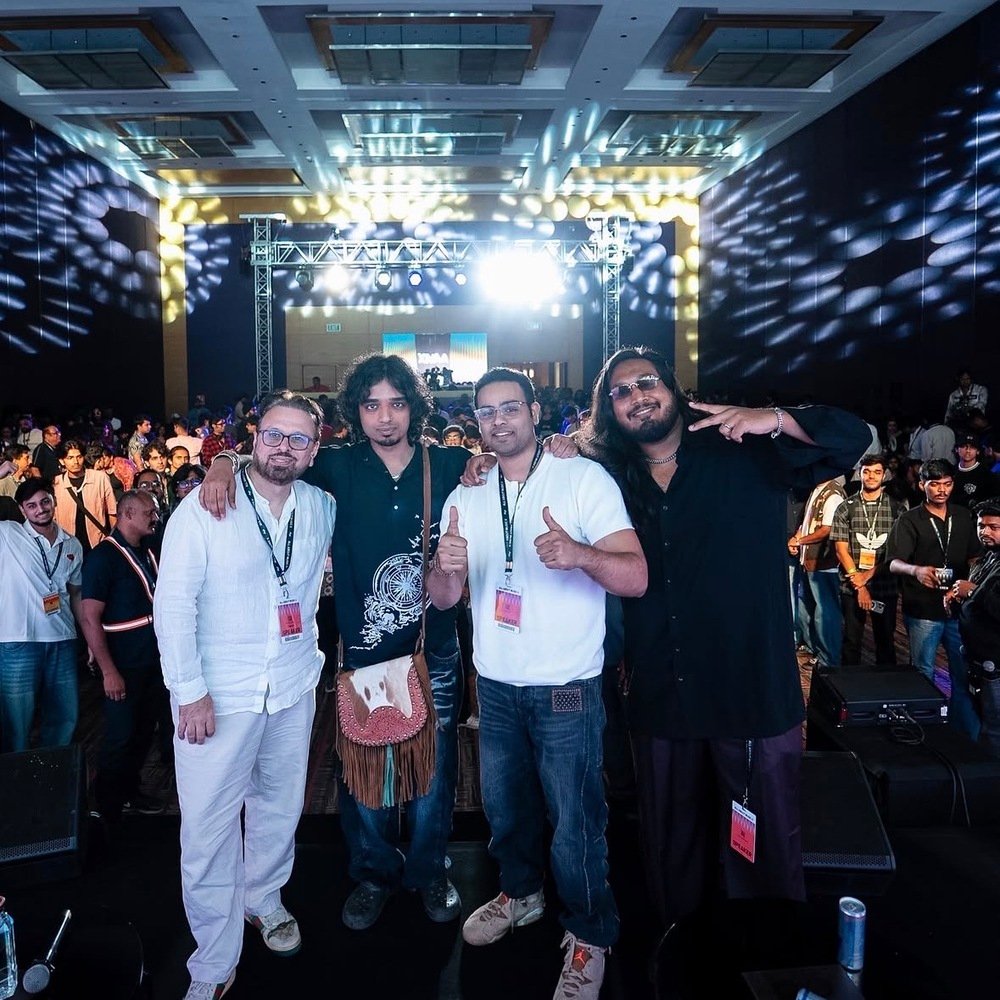
Chaar Diwaari spoke about deliberately avoiding a definitive sound. That is an interesting position in an industry that increasingly rewards recognisability. But perhaps recognisability and repetition are not the same thing.
For an artist building a long-term career, the ability to evolve may ultimately be more valuable than having a sound that can immediately be identified.
Kanchan’s revelation that he ghost-produced more than 500 songs in a year offered another perspective.
Experimentation is not always glamorous. Sometimes it is simply repetition. Trying. Failing. Learning. Trying again.
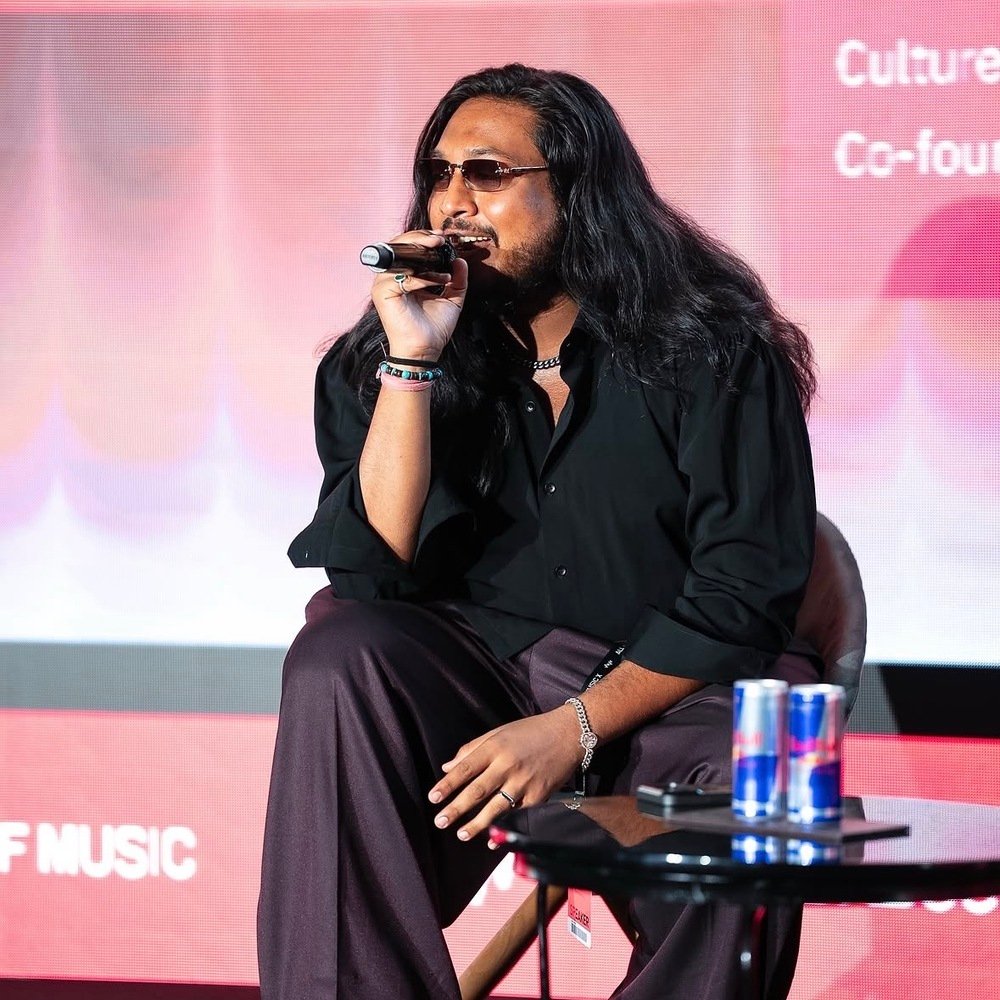
The artist’s education often happens long before the audience hears the final record.
When Artists Speak, They Also Take A Stand
The conversation became more complicated when the subject turned towards political expression.
Bala encouraged artists to be vocal while being careful and doing their homework.
Chaar Diwaari offered a more uncompromising perspective: research matters, but so does standing behind what you believe.
That tension is important. Artists have always existed at the intersection of culture and society.
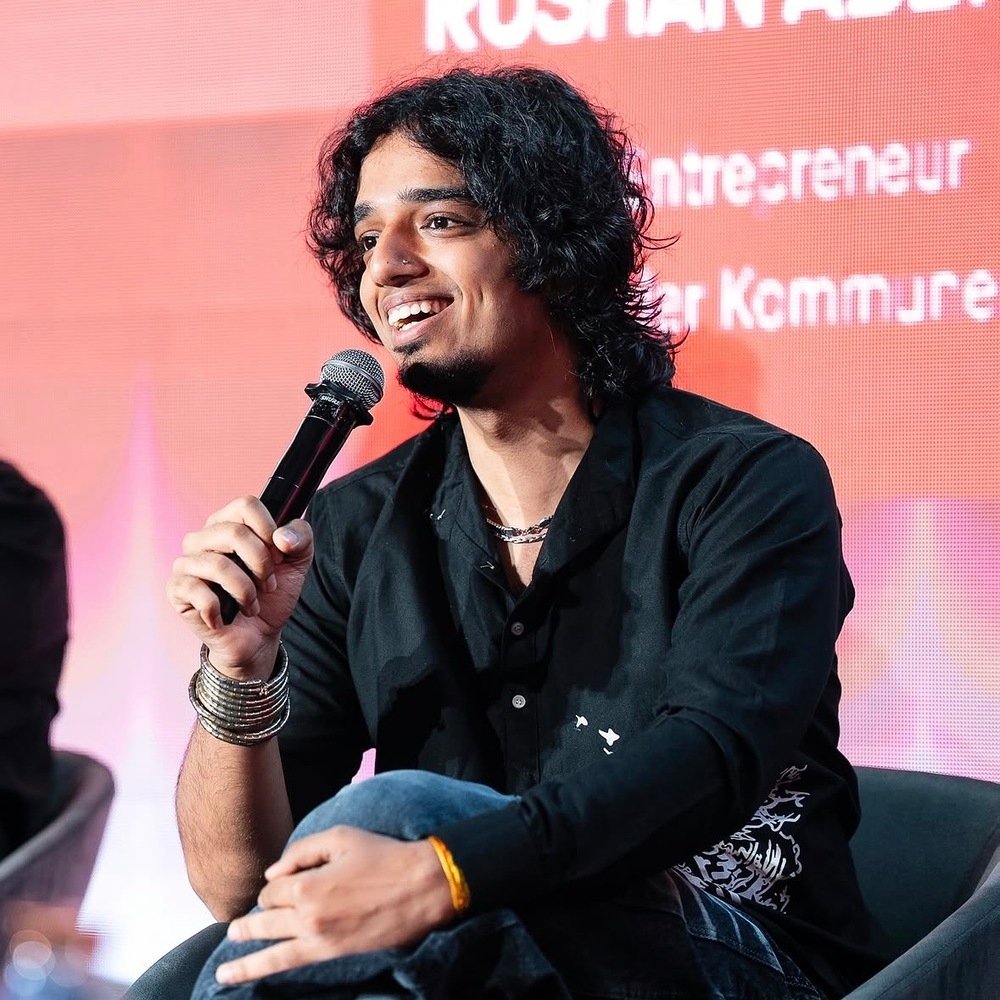
But today’s artist operates in an environment where a single sentence can travel faster than a song. The question, therefore, is not whether artists should have opinions. It is how they navigate the responsibility that comes with expressing them.
At AAM X, there was no easy answer. Perhaps there shouldn’t be.
The Campus Is The New Discovery Platform
Away from the debate around artistic expression, another conversation revealed something much more commercial. The campus concert economy is becoming serious business.
Nucleya, Aditya Rikhari, Shalmali Kholgade, Ankit Jain, Himanshu Chowdhry and Varun Khare discussed the growing importance of college shows. For years, campus concerts were treated almost as a stepping stone.
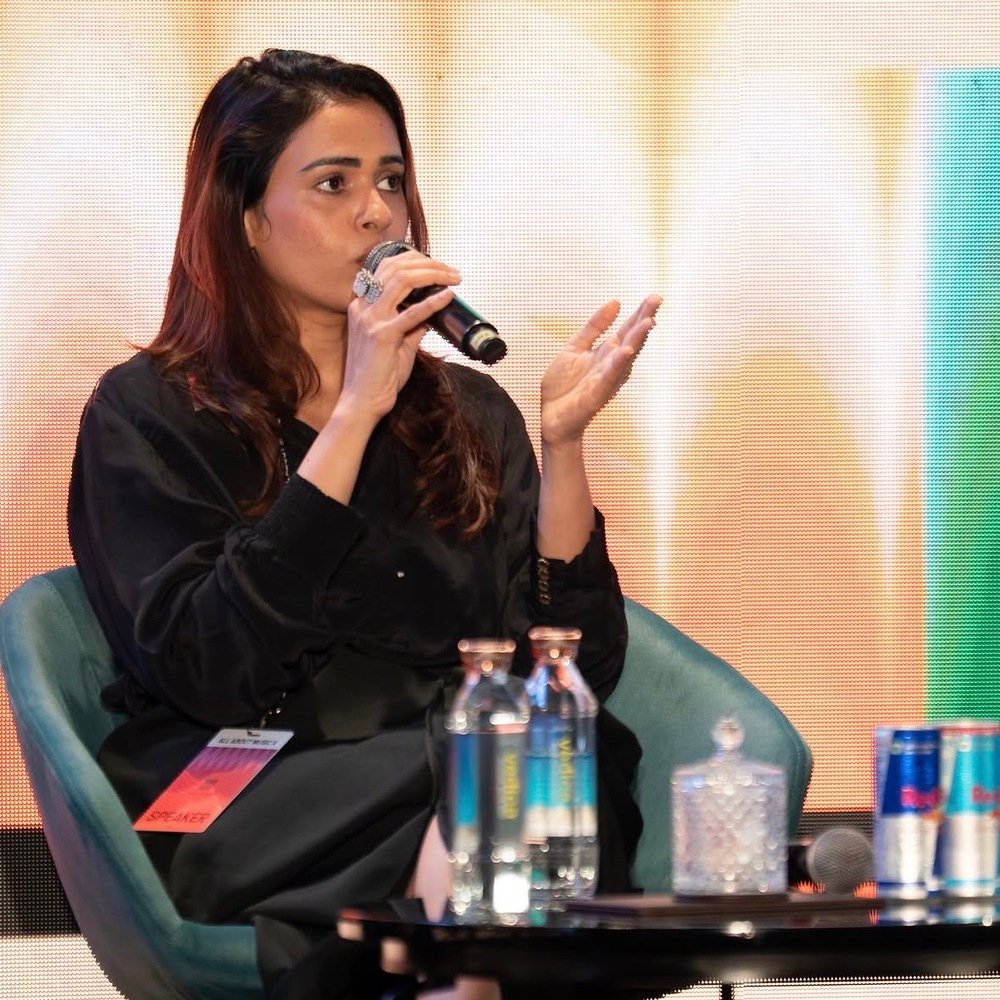
A place where emerging artists could perform before moving into larger commercial venues. That distinction is disappearing. And the numbers increasingly support that shift.
Artists such as The Local Train built significant audiences through the college circuit. Sunidhi Chauhan’s continued presence on campuses helped build both audience and brand value. Some of these shows now attract audiences running into tens of thousands.
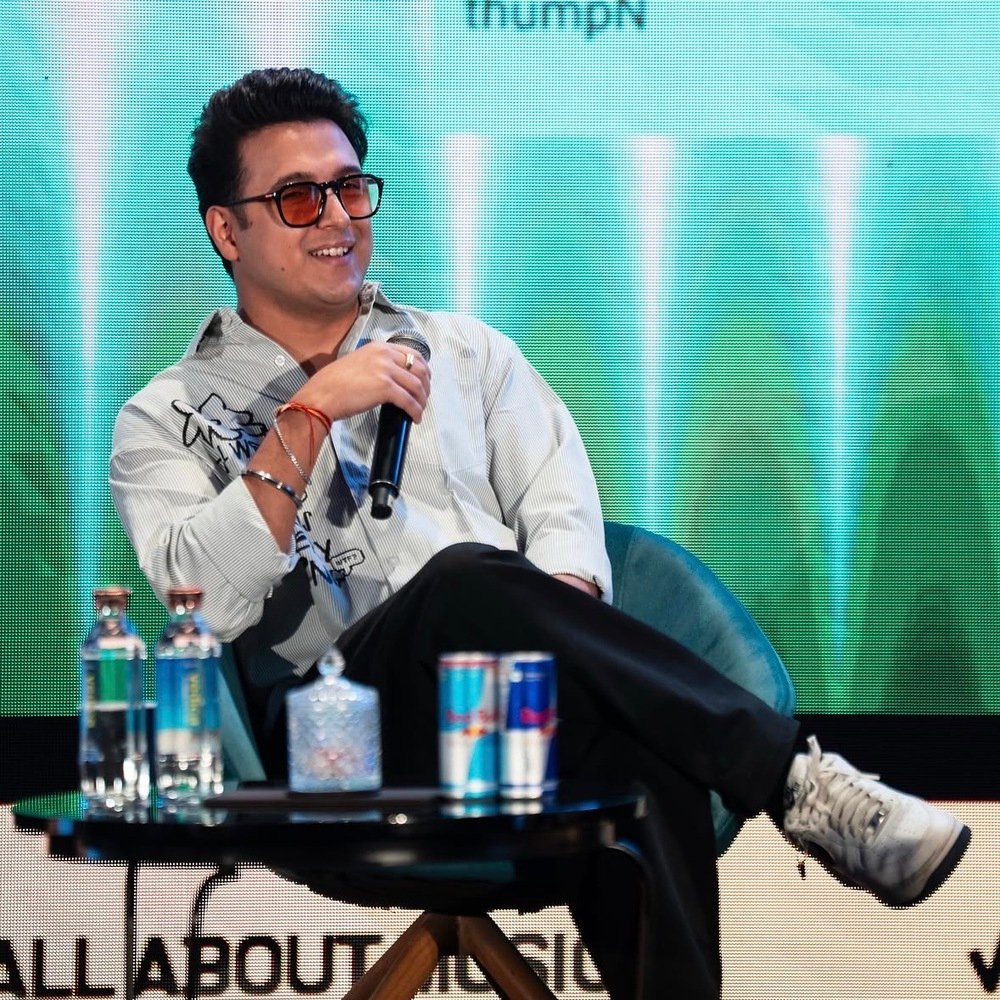
The business model is changing too.
Many campus shows are sponsor-funded rather than ticketed, allowing organisers to invest heavily in production while creating valuable cultural touchpoints for brands.
For artists, that makes the campus more than a performance opportunity.
It becomes an audience-building platform.
Building A Home For Music
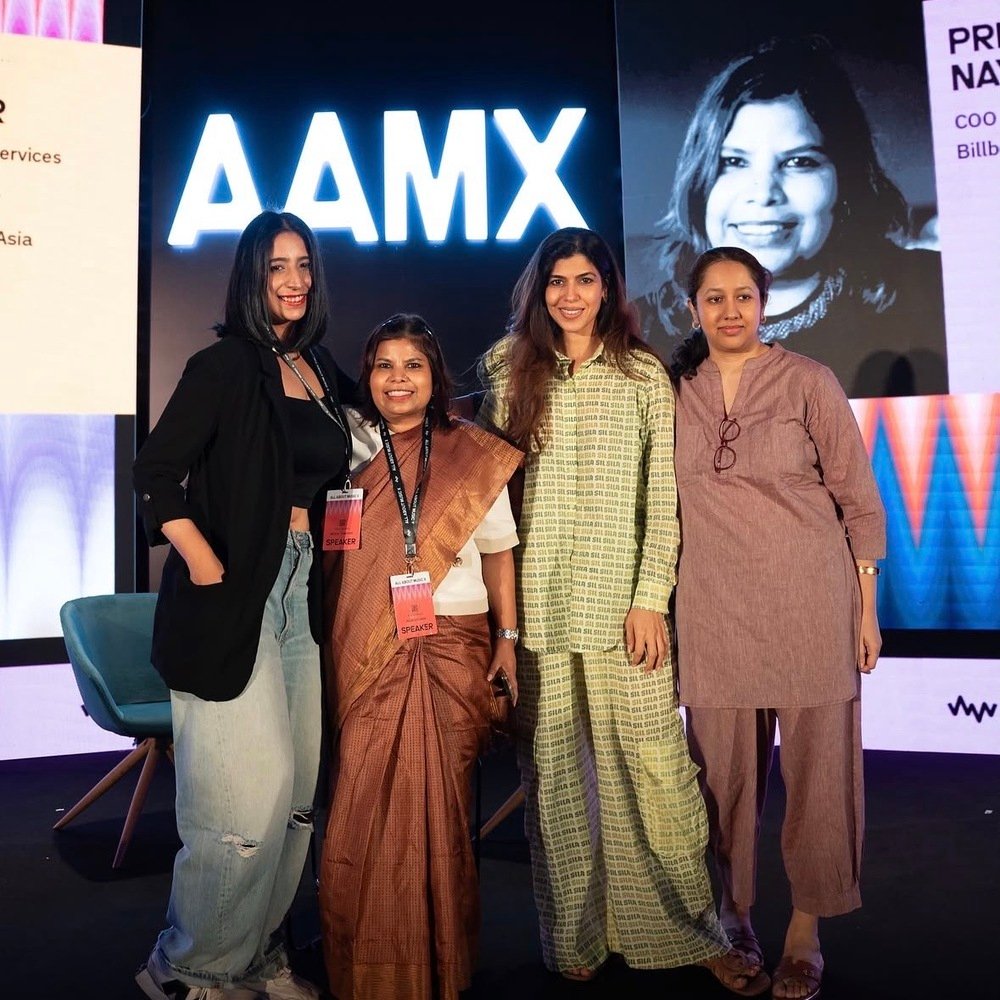
If artists are changing, music media has to change with them. Preeti Nayyar, COO of Billboard India, spoke about the publication’s ambition to become a home for artists and a tastemaker in India’s evolving music ecosystem.
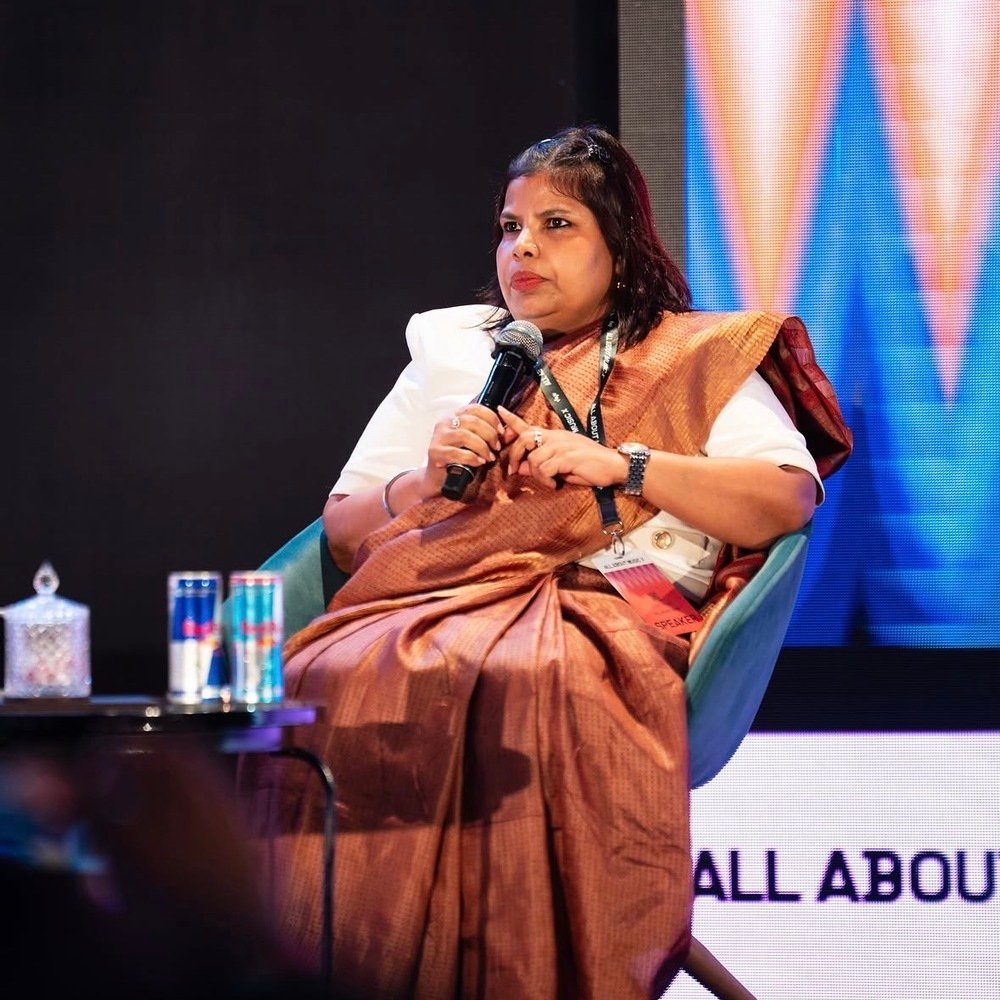
“We want all artists to know that Billboard is their home,” said Preeti Nayyar, COO, Billboard India, in conversation with Akhila Shankar, Director, BelieveArtist Services, and Head of TuneCore, South Asia. In a session on Billboard India shaping the future of music media, she added, “We want to be tastemakers and bring different perspectives, look at music as something which doesn’t have boundaries.”
That idea matters because music discovery has become fragmented. There are playlists. Algorithms. Short-form videos. Creators. Fan communities. Charts. And an endless stream of releases competing for attention.
In such an environment, music media cannot simply be another distribution channel.
It has to provide context. It has to curate. It has to tell audiences why something matters. That is increasingly becoming the role of contemporary music journalism.
When Roots Become The Future
Perhaps nowhere was the relationship between identity and reinvention more visible than in Raja Kumari’s conversation with Ashish Jose.
A decade into her career, Raja Kumari spoke about returning to India, spirituality, ownership and the importance of believing in one’s own ambition. “I moved to India to make my dreams come true,” she said. Celebrating 10 years in the music industry, she stressed on the “audacity of believing in yourself.” Moving across labels, to starting her own, and moving through hip-hop to bhajans, her journey has also been deeply spiritual. “I knew the extent of what God was calling me to do,” she affirms.
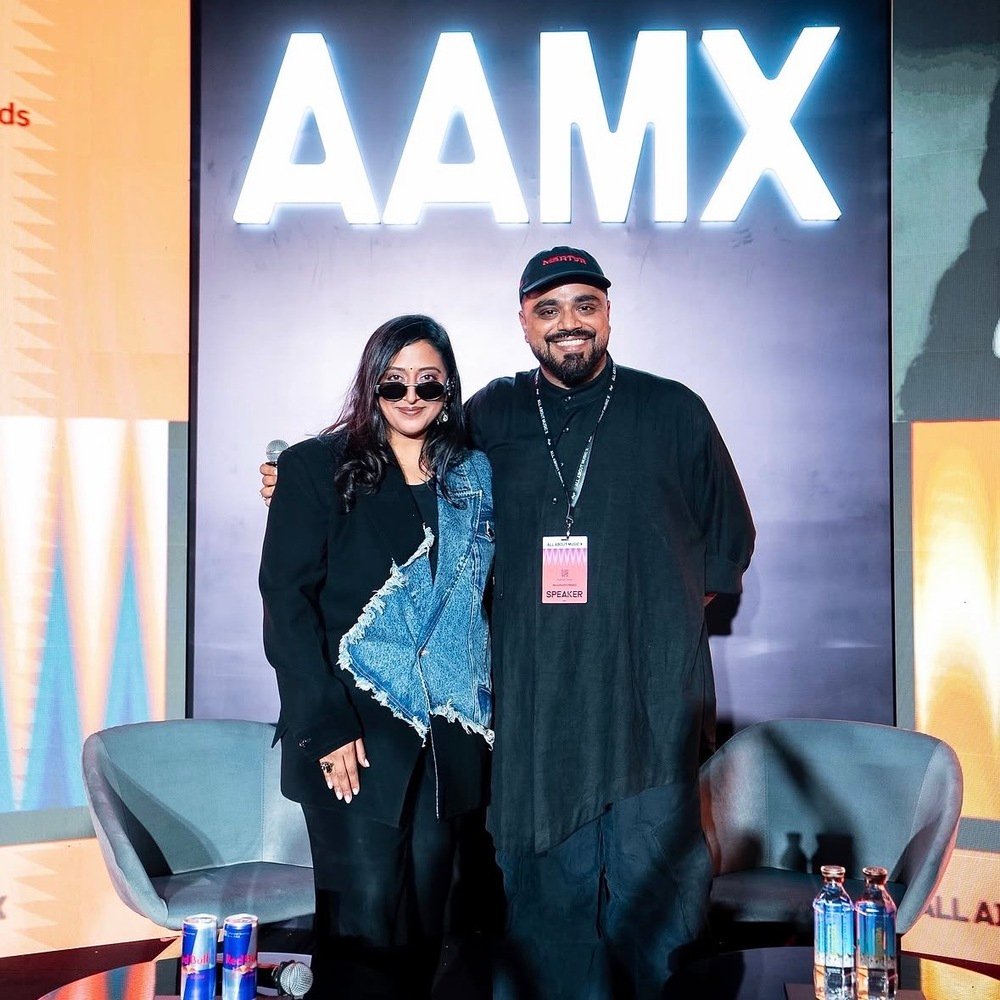
The sentence captures something central to her journey. She has moved between hip-hop, Indian classical influences, spirituality and contemporary pop without allowing one identity to cancel another.
The label’s first project, Kashi to Kailash, was rooted in devotional music.
The past does not necessarily have to be preserved exactly as it was.
Sometimes, it has to be reimagined so that it can continue to live.
A Repertoire Is A Career
For emerging artists, however, inspiration eventually has to become infrastructure.
That was the central idea behind the conversation on building a repertoire, featuring Ankur Tewari, Sat Bisla, Kim Frankiewicz and Akshaat Mudbidrii, moderated by Raghav Meattle.
AAM X: More Than A Conference
The most visible change this year was perhaps the experience itself.
AAM introduced new formats and spaces, including Backstage Access, an expanded Connect Corner and a Grand Showcase area where live music performances ran throughout the day.
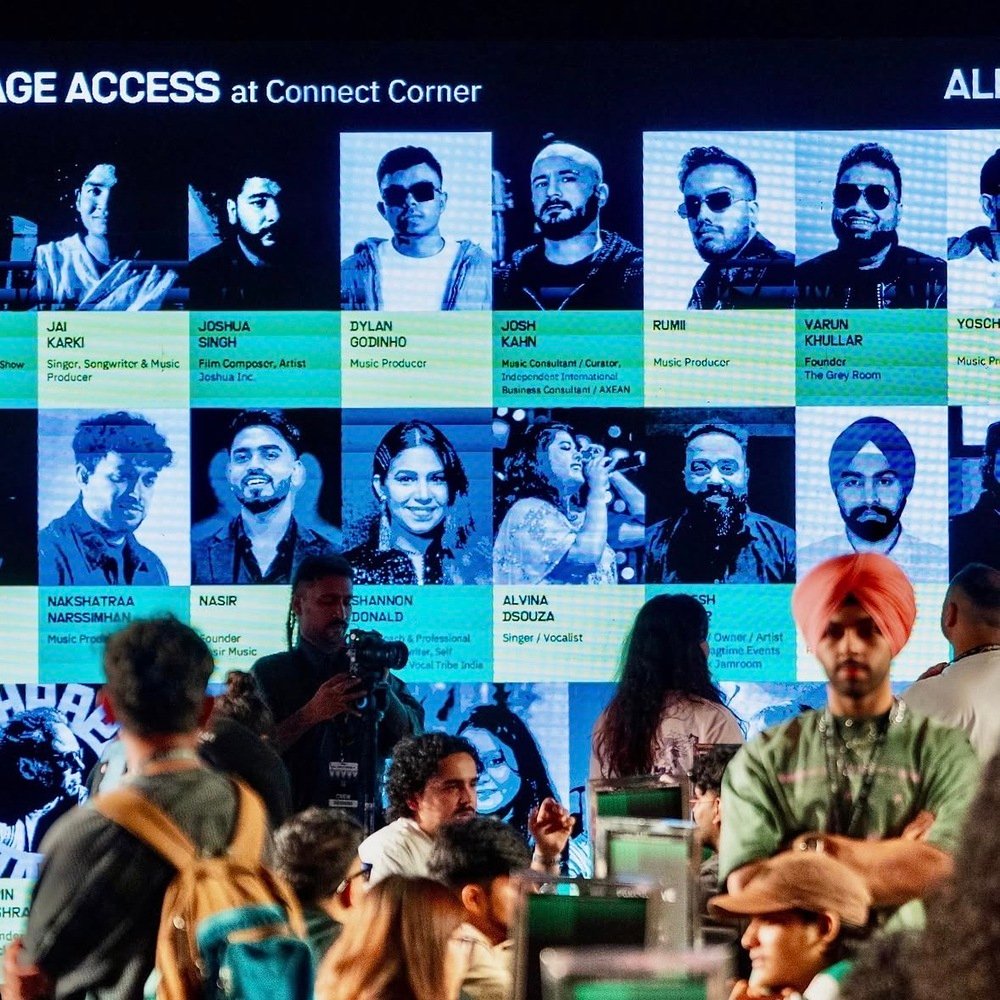
That evolution is significant. Because the music industry isn’t built only in conference rooms.
It is built in corridors. Over coffee. Backstage. During introductions. After a panel.
In a conversation between an artist and an executive who had never met before.
Networking is not a side feature of the music business. It is the music business.
The Bigger Picture
After three days, one thing became clear. The Indian music industry isn’t waiting for its next chapter.
It is already writing it.
The opportunities are enormous: international markets, independent artists, creator economies, new fan models, music technology, publishing, live entertainment and the growing global curiosity around Indian sounds.
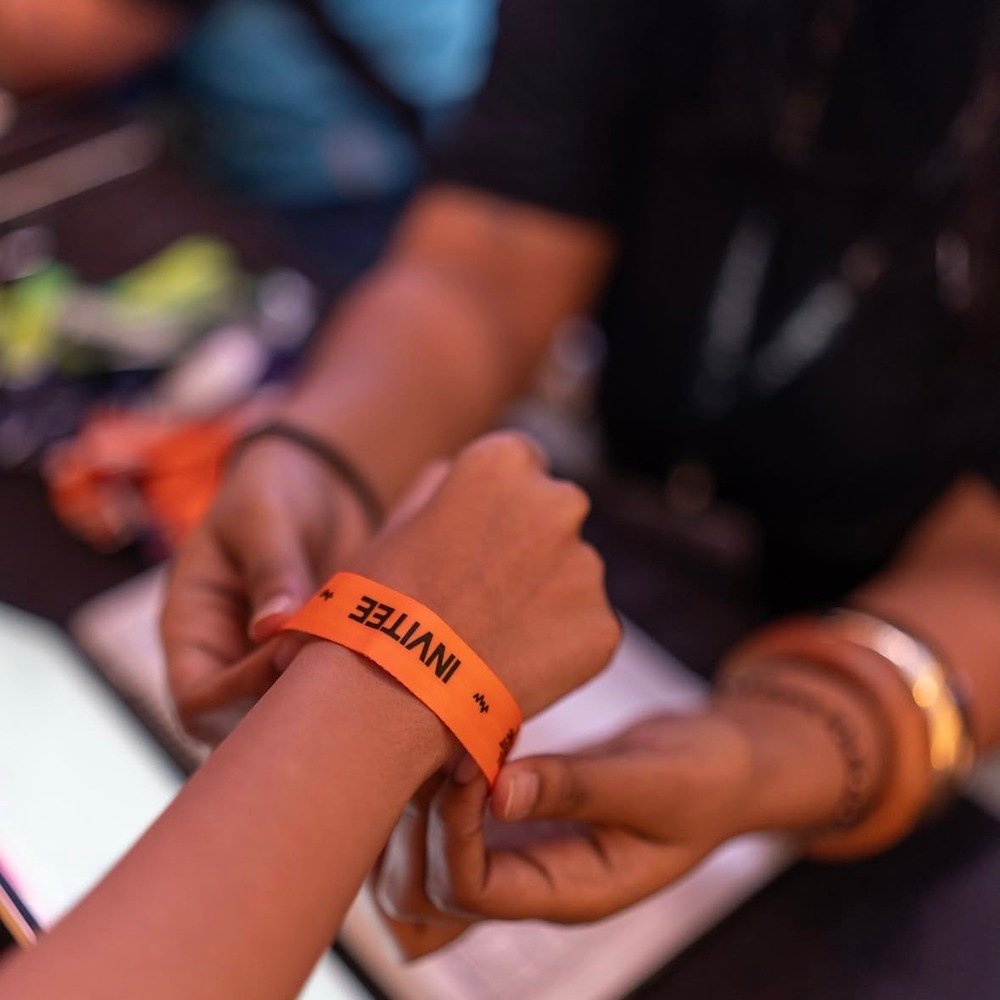
But opportunity alone isn’t enough. The industry will need better infrastructure. Better artist development. Stronger rights awareness. More international pathways. Smarter business models. Greater mental-health support. And above all, a willingness to collaborate.
That may ultimately be the real legacy of All About Music.
Not the panels. Not the photographs. Not even the performances.
But the connections created between people who can collectively move the industry forward.
The Next Decade Starts Now
Ten years ago, the central question was how India’s music industry could become bigger.
Today, that question feels almost outdated.
The industry is bigger.
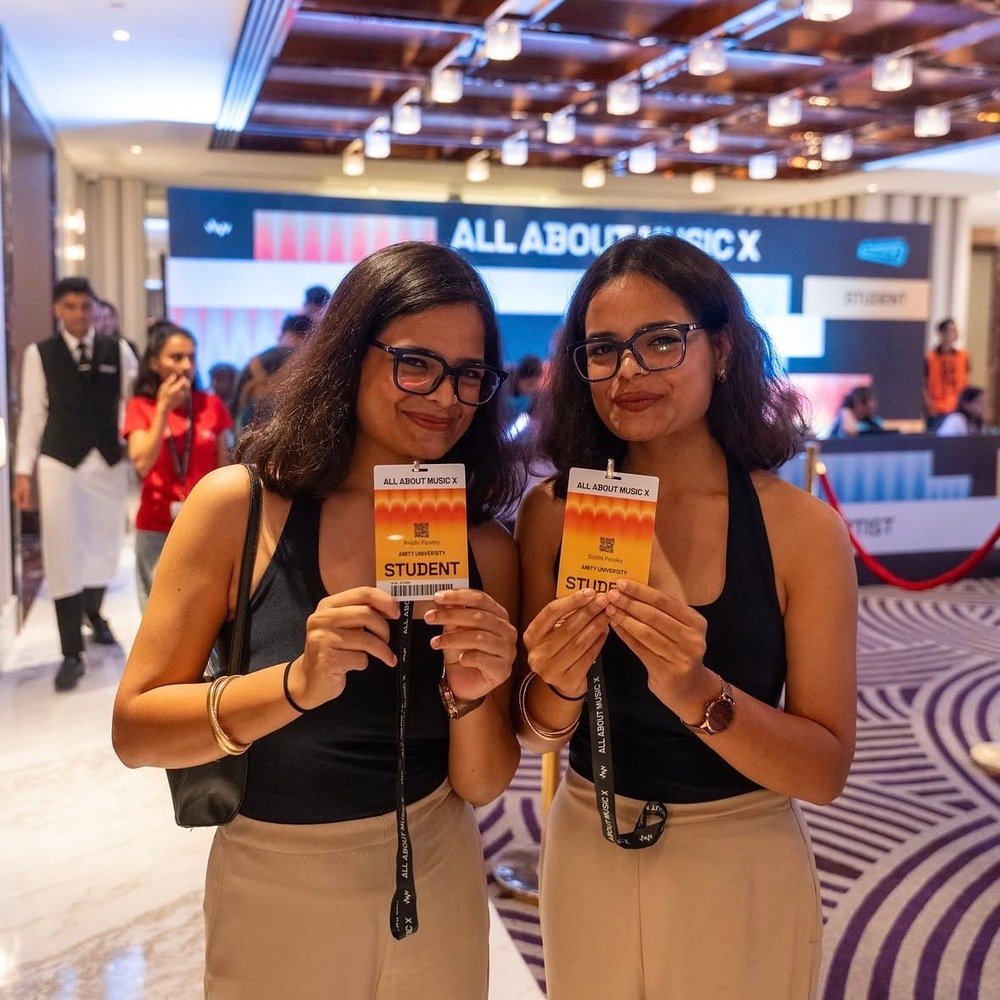
The next challenge is making it better, more sustainable, more global and more artist-centric.
AAM X arrived at that exact crossroads.
And perhaps that is why its most important message wasn’t spoken from a stage.
It emerged from the cumulative conversations taking place across three days:
India has the music. India has the audience. India has the talent.
Now, it needs to build the ecosystem that can take all three to the world.
The first decade built the platform. The next decade could define the industry.
Photo Credit: All About Music Team
