
May
Editor's Pick
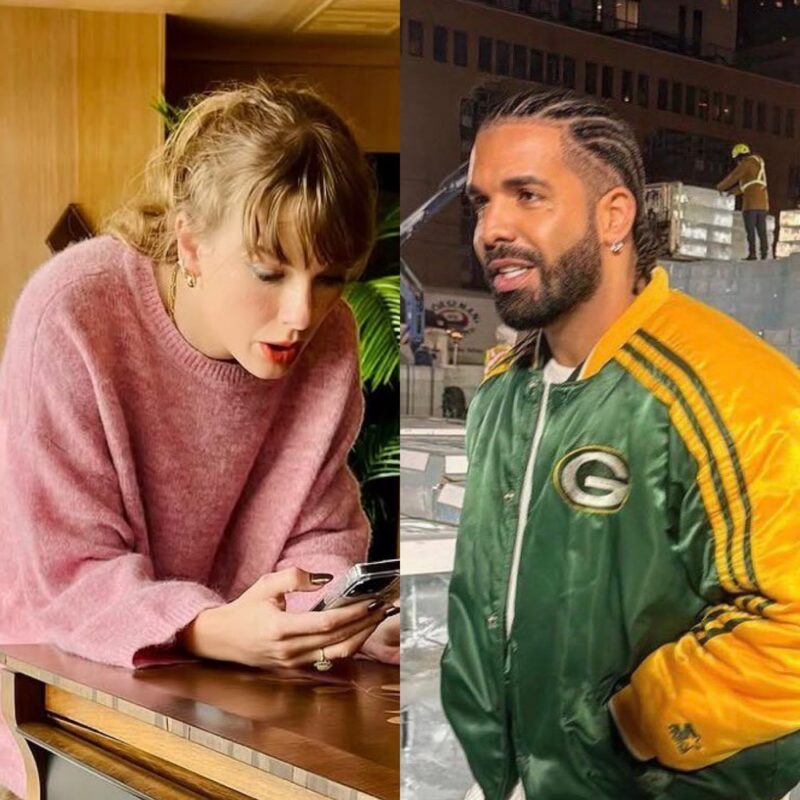
Drake vs Taylor Swift: The Billboard 200 Race Just Rewrote Music History
From chart domination to fan-culture warfare, the battle for Billboard supremacy has become bigger than numbers.
Mumbai, 25th May 2026: There are chart records, and then there are moments that redefine an entire era of music. For years, fans debated who truly owns modern music history: the artist with the biggest tours, the most streams, the strongest fan base, or the highest cultural impact. The latest Billboard milestone has reignited that conversation in a massive way. The race for the most No. 1 albums on the Billboard 200 among solo artists is no longer just a chart statistic, it has become one of the biggest narratives in music today.
The Chart Battle That Became Pop Culture
The Billboard 200 has always been more than just a weekly ranking of albums. It acts as a cultural scoreboard that captures the pulse of music consumption and fan behaviour. Over the years, reaching No. 1 on the chart became one of the most prestigious achievements in the industry. For artists like Drake and Taylor Swift, however, chart success transformed into something much larger. Their releases stopped being standard album launches and became global events that dominated conversations across streaming platforms, social media timelines, and fan communities.
Drake built his legacy through consistency and dominance in the streaming era. With surprise drops, crossover appeal, and a relentless output strategy, he created a formula that kept him permanently present in the charts. Taylor Swift took a different route. Rather than volume, she mastered anticipation. Every album release became an experience filled with theories, hidden messages, fan interactions, and emotional storytelling. Two entirely different strategies ended up producing the same result: unprecedented chart power.
Stream ‘ICEMAN’ here:
Why This Record Hits Differently
What makes this race fascinating is how dramatically the music industry itself has changed. In previous decades, album success depended heavily on physical sales and radio play. Today, fan engagement operates on an entirely different level. Streaming platforms, digital communities, and online fandom culture have reshaped how records are broken. Artists no longer simply release music; they create ecosystems around their work.
Drake perfected accessibility and consistency, while Taylor Swift perfected anticipation and emotional connection. That distinction matters because success today is increasingly driven by how deeply audiences invest in artists beyond the music itself. Fans do not merely listen anymore, they participate. They create trends, organize campaigns, share theories, and amplify releases across every digital platform. That level of involvement is changing what chart success actually means.
Stream ‘Elizabeth Taylor’ here:
The Beatles Are Still Watching From Above
Amid the excitement surrounding modern chart battles, one detail often gets overlooked: the benchmark still belongs to The Beatles. Their all-time record continues to stand as one of music history’s most extraordinary achievements. For decades, reaching that level seemed nearly impossible, especially in an era where attention spans are shorter and audiences are fragmented across countless platforms.
Yet the current landscape creates a fascinating possibility. The idea of challenging long-standing records no longer feels impossible. Taylor Swift continues building momentum with every release, while Drake remains one of the most commercially powerful artists of his generation. Music history has repeatedly shown that records often appear untouchable, until suddenly they are not.
Stream ‘Let It be (Remastered) here:
MusiCulture Take
The most interesting part of this entire race is not necessarily who finishes ahead. It is what the competition reveals about modern music culture itself. Charts used to simply reflect popularity. Today they reveal something much bigger: the architecture of fandom. Success is no longer measured solely through streams or sales but through the ability to create moments that audiences emotionally invest in. The Billboard 200 has evolved into more than an industry ranking. It now tracks cultural gravity. It measures influence, loyalty, anticipation, and community power. Drake and Taylor Swift are no longer simply competing for chart history; they are competing for ownership of a generation’s musical identity. And that may end up being a much bigger achievement than any number attached to a chart position.
