
Jun
Industry Insight
Mumbai Concert Deaths: What the NESCO & Worli Tragedies Reveal About India’s Live Music Safety Crisis
Mumbai, 9th June 2026: India’s live music industry is experiencing its biggest boom in history. International superstars are selling out stadiums. Independent artists are drawing thousands of fans. Electronic music festivals, arena concerts, and large-scale live events have become a defining part of youth culture. Yet amid the excitement, two recent tragedies in Mumbai have forced the industry to confront an uncomfortable reality:
Are Indian music events prepared for the risks that come with rapid growth?
Within weeks, Mumbai witnessed two separate incidents connected to major music events, one at NESCO in Goregaon and another at the NSCI Dome in Worli. While the circumstances differ and investigations remain ongoing, both incidents have reignited concerns about safety, substance abuse, medical preparedness, crowd management, and accountability at large-scale music gatherings.
Watch a glimpse of Diljit at Madisson Square here:
The NESCO Tragedy
The first incident occurred during a techno music event at the NESCO Exhibition Centre in Goregaon. Two MBA students lost their lives, and another attendee was hospitalized following an alleged drug overdose. Investigations led to multiple arrests involving alleged suppliers, organisers, and individuals connected to the event ecosystem. Authorities have continued probing how narcotics entered the venue and whether adequate safeguards were in place.
The case quickly became national news because it exposed vulnerabilities extending far beyond one event. Questions emerged regarding venue security, attendee screening, drug circulation networks, emergency medical response, and event accountability. For many in the music industry, the NESCO case was viewed as an isolated tragedy.
Then came Worli.
The NSCI Dome Incident
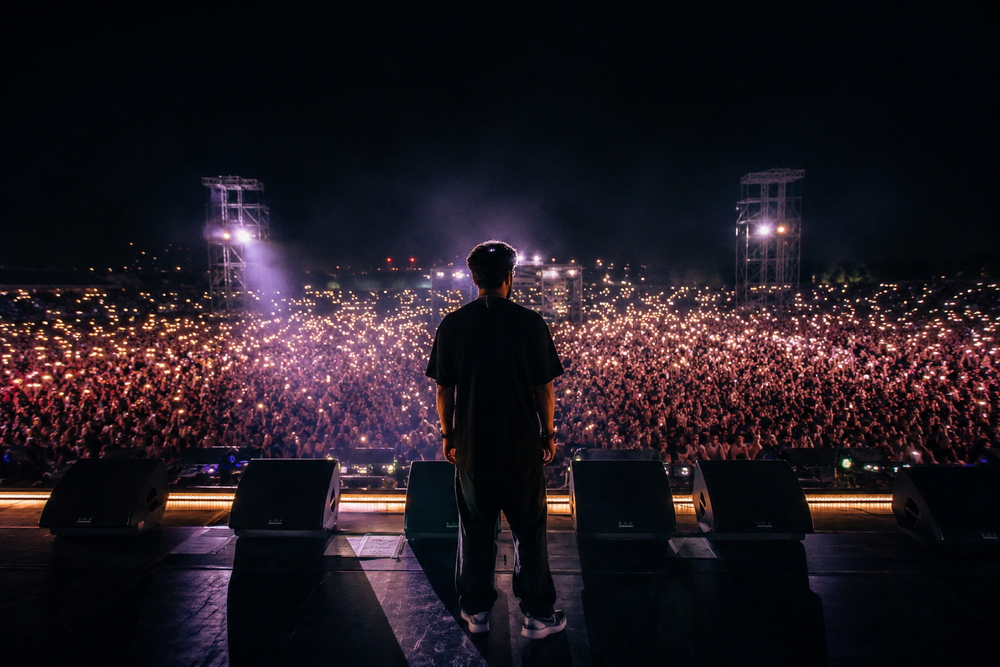
In June, a 28-year-old law graduate collapsed during a music event at the NSCI Dome in Worli and later died. A woman attending the same event was hospitalized after falling ill. Initial reports speculated about alcohol and possible drug-related factors, while police launched an investigation and filed cases against organisers as part of the inquiry.
Subsequent reporting indicated that investigators had ruled out certain drug-related possibilities and were examining medical causes, including a possible cardiac event, while awaiting final findings. Authorities emphasized that the exact cause would be determined through forensic and medical reports. Regardless of the final medical conclusion, the incident intensified public concern because it occurred so soon after the NESCO tragedy.
Watch a glimpse of Jasmine Sandlas live here:
The Bigger Problem Isn’t One Venue
It would be easy to frame these incidents as isolated cases. That would be a mistake. The larger issue is that India’s live entertainment industry has expanded dramatically in a short period of time. Concert attendance is reaching unprecedented levels, yet discussions around event safety often remain secondary to ticket sales, artist lineups, social media engagement, and sponsorships.
The NESCO and Worli incidents highlight different risks:
- Substance abuse and illegal drug circulation.
- Excessive alcohol consumption.
- Medical emergencies in high-density environments.
- Event response times.
- Security screening effectiveness.
- Emergency evacuation preparedness.
- Accountability between organisers, venues, vendors, and authorities.
These are not issues unique to Mumbai or India. They are challenges faced by live music industries worldwide. The difference is that mature concert ecosystems increasingly treat safety as a core component of event design rather than an operational afterthought.
Watch Karan Aujla live here:
A Wake-Up Call for Organisers
Every major concert today invests heavily in sound systems, stage production, lighting design, visual effects, artist hospitality, and digital marketing. The question facing the industry is whether safety investments are keeping pace.
Medical response teams, visible hydration stations, real-time monitoring, trained emergency personnel, crowd-density management systems, and stronger anti-narcotics protocols are no longer optional for events attracting thousands of attendees.
The industry’s reputation depends on more than successful ticket sales. It depends on public trust.
The Responsibility of Fans
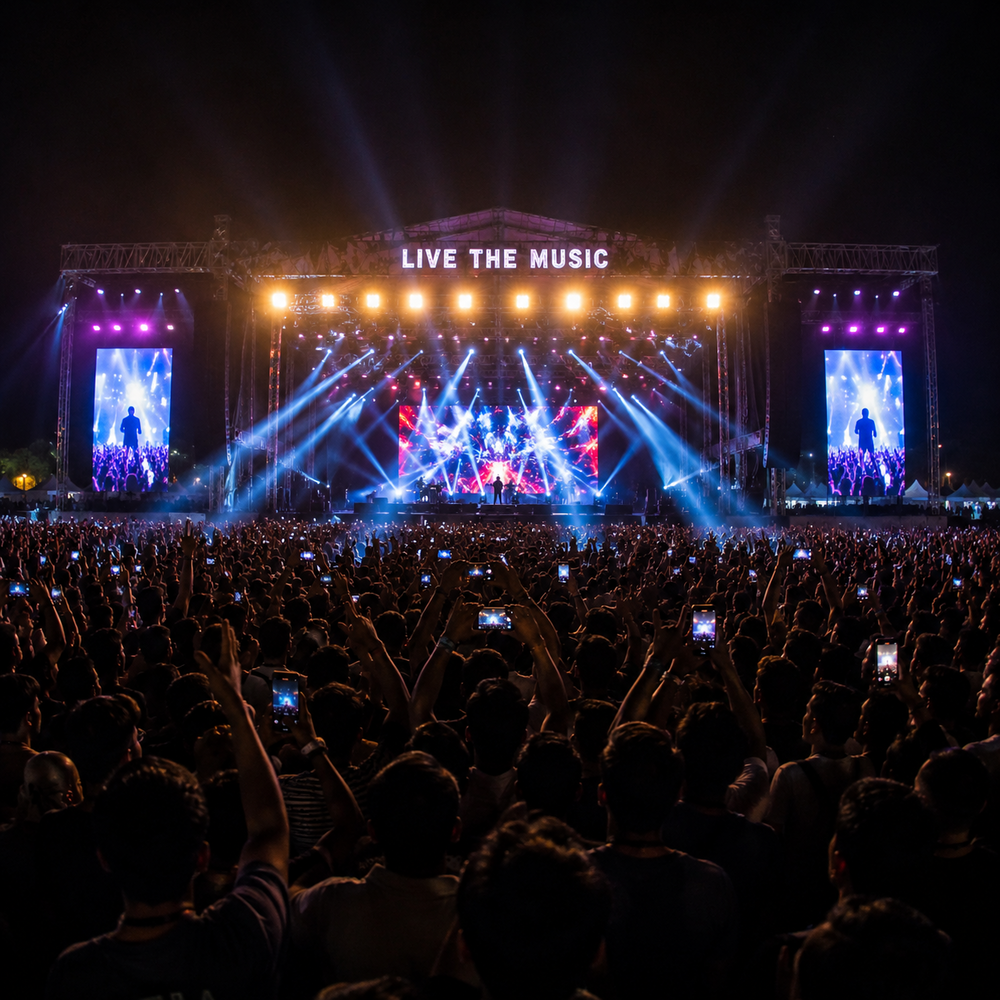
The conversation cannot focus solely on organisers. The NESCO investigation has highlighted concerns regarding drug consumption among attendees, while the Worli case has also brought discussions around excessive alcohol consumption into public focus. Authorities continue to investigate both matters.
Music festivals and concerts are designed to be spaces for celebration, creativity, and community. When substance misuse enters the equation, risks multiply not only for individuals but also for friends, families, event staff, and emergency responders. Personal responsibility remains a critical part of concert culture.
Watch Arijit Singh live here:
MusiCulture Perspective
The recent deaths connected to the NESCO and Worli events should not be viewed as stories that disappear once investigations conclude. They should become catalysts for change.
India is on the verge of becoming one of the world’s most important live music markets. The talent exists. The audiences exist. The demand is stronger than ever. But a truly world-class concert industry cannot be measured solely by attendance figures, revenue, or social media trends. It must also be measured by safety.
Every fan purchases a ticket expecting an unforgettable night of music. They should never have to worry whether they will return home safely. The greatest tribute the industry can pay to those affected by these tragedies is not another statement, another investigation, or another headline. It is ensuring that future concerts are remembered for the music, and nothing else.
