
Feb
From the Vault
The tools will continue to change, but the real power of storytelling will always lie with people: Prateek Rajagopal
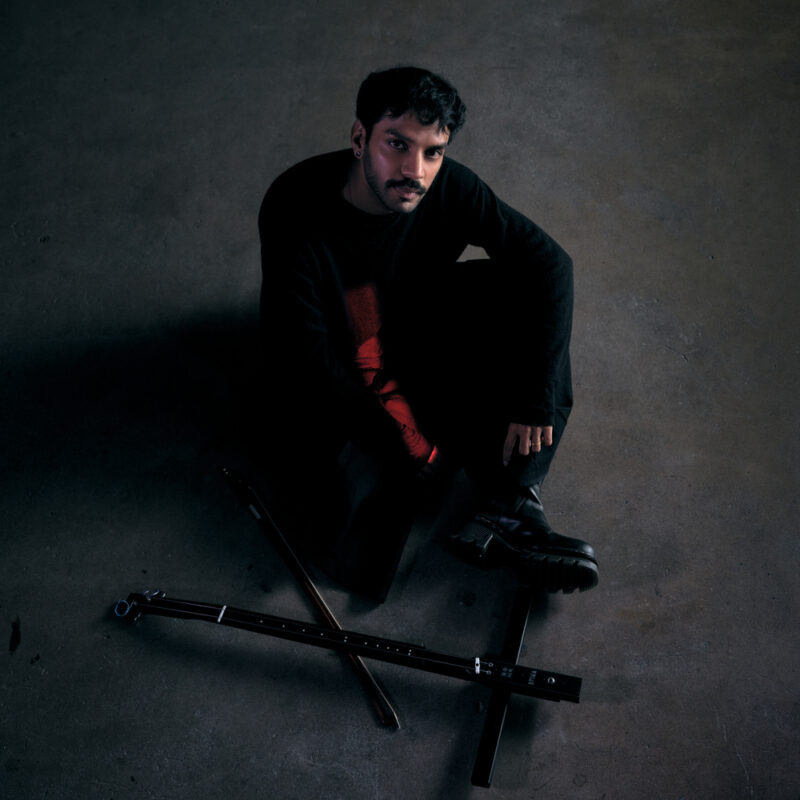
Los Angeles–based composer and producer Prateek Rajagopal has quietly built an impressive global footprint, contributing to major Hollywood titles including Star Wars: The Mandalorian, Trolls: Band Together, and projects from Universal Pictures and A24. Working alongside celebrated names like Ludwig Göransson and Bobby Krlic, Prateek’s journey reflects a blend of technical precision and emotional depth. Now, he enters a new phase, bringing his international sensibilities back home. As he prepares to make his Indian cinema debut, Prateek took some time out for an interaction with us, here is what he said:
After being a part of the team working on major Hollywood projects like The Mandalorian and A24’s Eddington, how does it feel to return through a project like Tu Yaa Main?
It’s been a lot of fun working on this film. Bejoy has such a distinctive filmmaking style, Adarsh (Gourav) and I go way back, and the producers at Color Yellow have made some of my favourite films – Tumbbad being a big one. So it really feels like a privilege to step into Hindi cinema with a crew like this.
You’ve described your approach to film scoring as treating the background score as a fully realised narrative voice, how does this philosophy challenge or expand the way music is traditionally used in Hindi cinema?
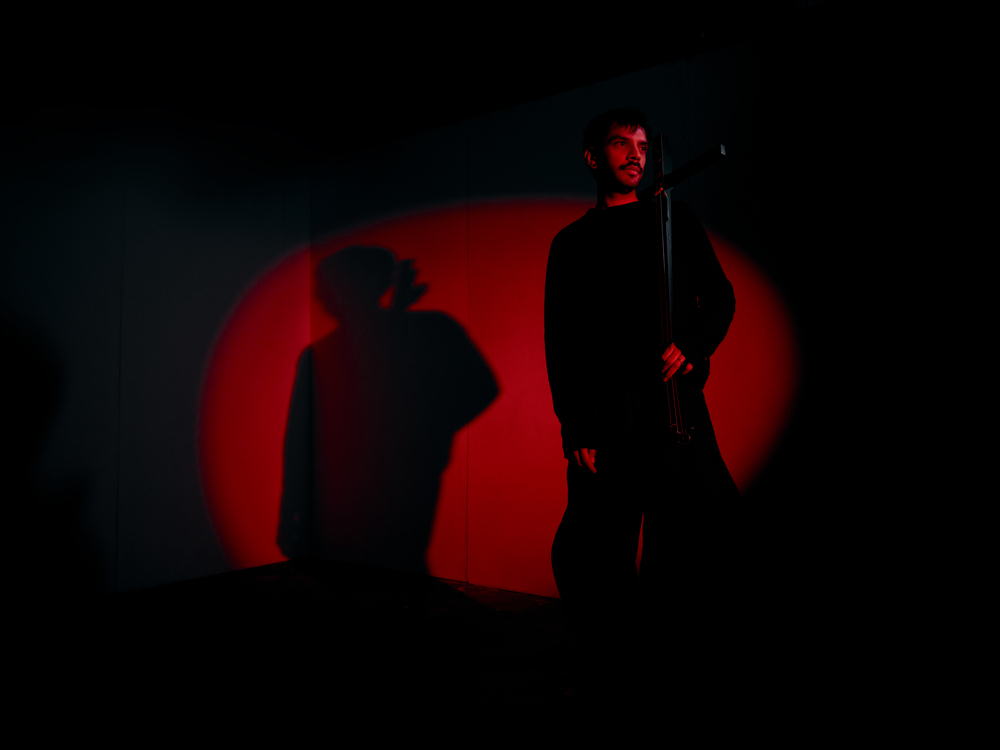
I think background score in Hindi cinema is often treated as secondary, even though it can really make or break a film. Sometimes it’s a very thin line – the score can elevate a moment into something unforgettable, almost iconic, like what Hildur Guðnadóttir did for the dance sequence in Joker, or it can do the complete opposite. Music subconsciously dictates how an audience experiences and even judges a film. Because of that, my philosophy has always been to give the score the utmost care, attention, and priority.
Rather than leaning into a single musical era, Tu Yaa Main moves between analog synths, chamber orchestra, and contemporary textures. How did this shifting musical language mirror the film’s psychological and emotional tensions?
In many ways, the synths reflect the retro, sci-fi sensibility of a classic creature feature. At the same time, because the creature is a crocodile, it felt important to ground the score in something more organic. Bringing in strings and processing them allowed us to blend these two worlds, creating a sound that feels contemporary while still retaining a strong feeling of “I’m experiencing a movie!”.
Coming from India’s underground and extreme music scenes, how have your roots in metal and experimental music shaped your sensibility as a film composer today?
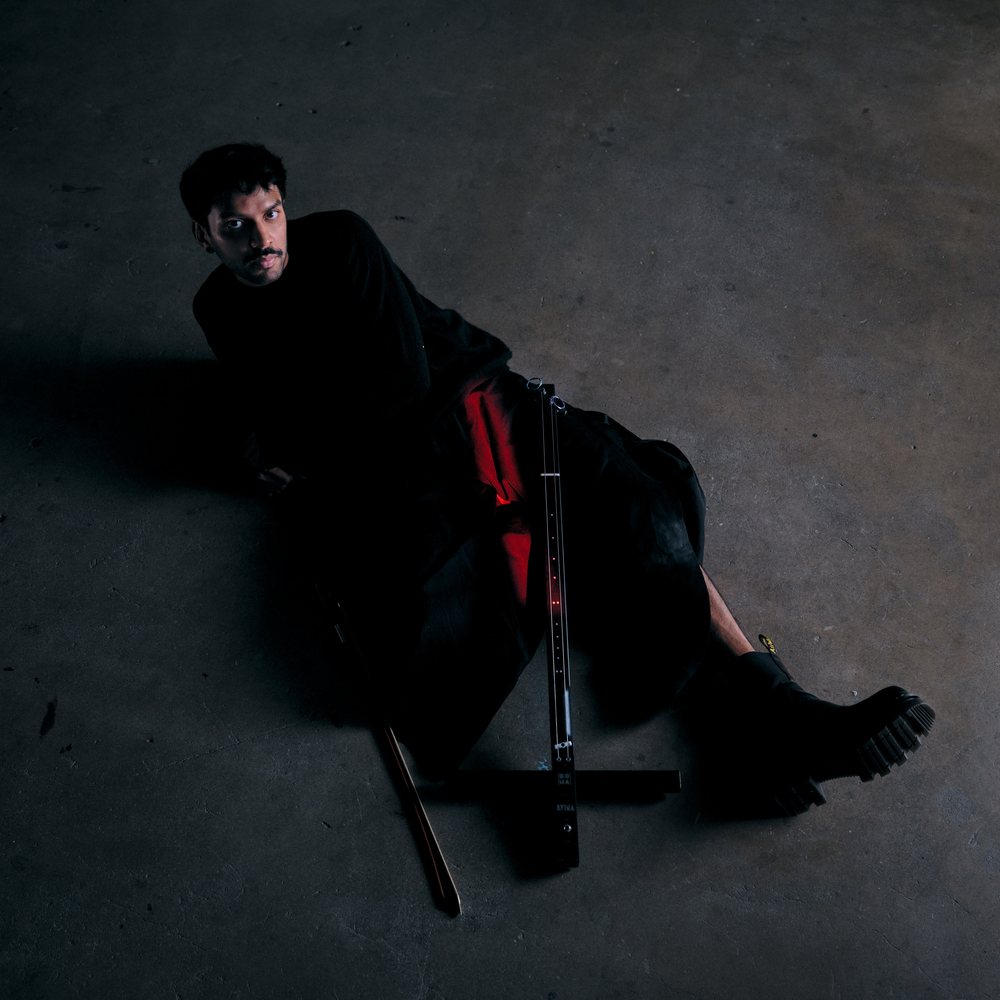
Taste is everything in art – whether it’s music, painting, or writing. My taste has always been shaped by what’s happening in the underground. DIY spaces, smaller live shows, and emerging artists are often where ideas are born before they become commercial. That sensibility carries into my work in cinema as well. I try to stay away from familiar tropes as much as possible and push for something different. Even if an idea doesn’t make it into the final film, or gets rejected, I’ll always try – that experimentation is important to me.
From Hollywood and Indian cinema to VR/XR projects and AI-driven immersive music at KOST AI, how do you see technology reshaping the future of film scoring and musical storytelling?
Technology has always been evolving in our industry – AI is just another chapter in that progression. I’m not particularly bothered by it, because music is ultimately shaped by human experience, emotional needs, cultural shifts, and a lot of trial and error. The tools will continue to change, but the real power of storytelling will always lie with people.
As a composer who has lived and worked across cultures, from Muscat and India to Los Angeles, how has your transnational journey been?
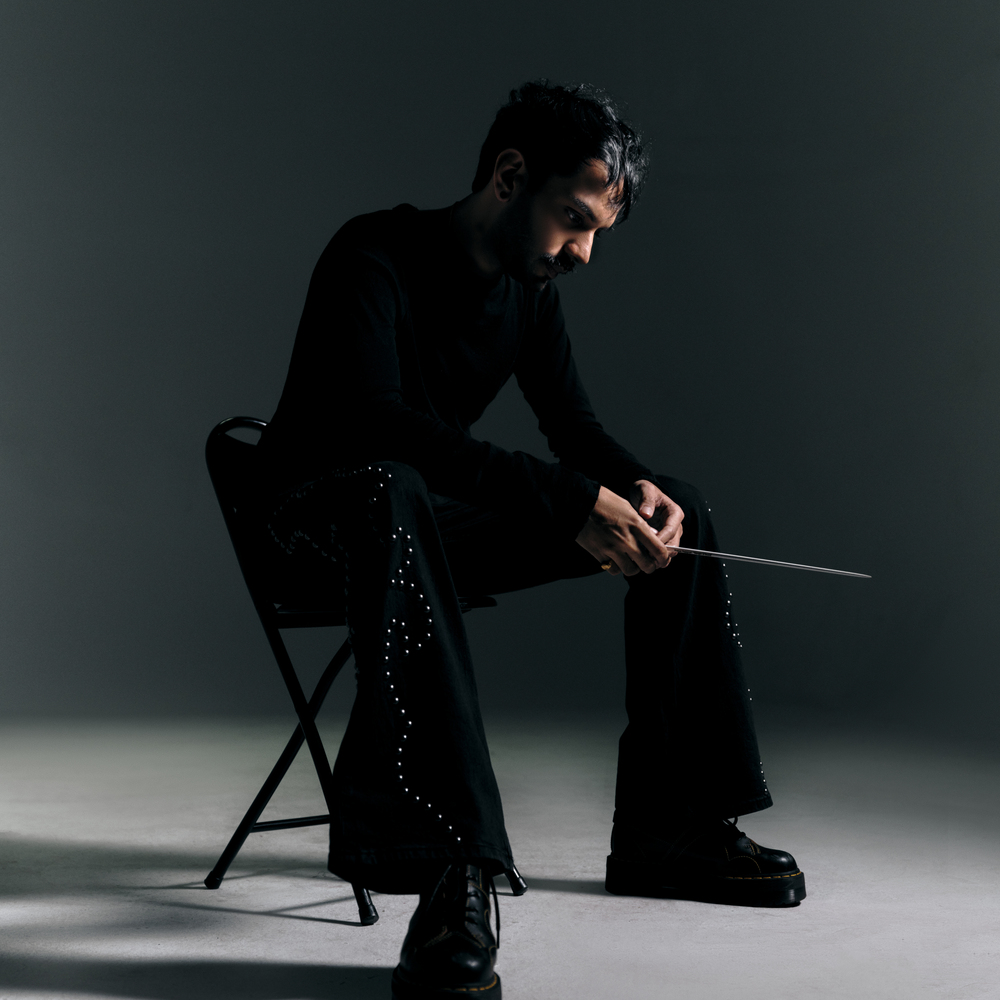
It’s been a true blessing. I feel very lucky to have lived and travelled across different cultures and geographies. Your environment shapes everything – your identity, your worldview, your creative instincts. In that sense, it’s deeply influenced my musicality, my personality, and the way I approach storytelling.
With a foundation rooted in extreme music, experimentation, and process-led composition, Prateek Rajagopal stands at the forefront of a new generation of Indian composers redefining how film scores function, as narrative engines rather than background elements. From Hollywood soundstages to Hindi and Telugu cinema, his work bridges cultures, genres, and technologies with striking fluidity. As he continues to explore immersive media, AI-driven music experiences, and cinematic storytelling, Prateek’s trajectory signals not just a creative homecoming, but the arrival of a future-facing artist poised to shape the evolving language of Indian and global film music.
