

Jan
Digital Cover
January 2026: You make music in your room, quietly, never really knowing how far it will travel or who it will hold along the way: Aditya Rikhari
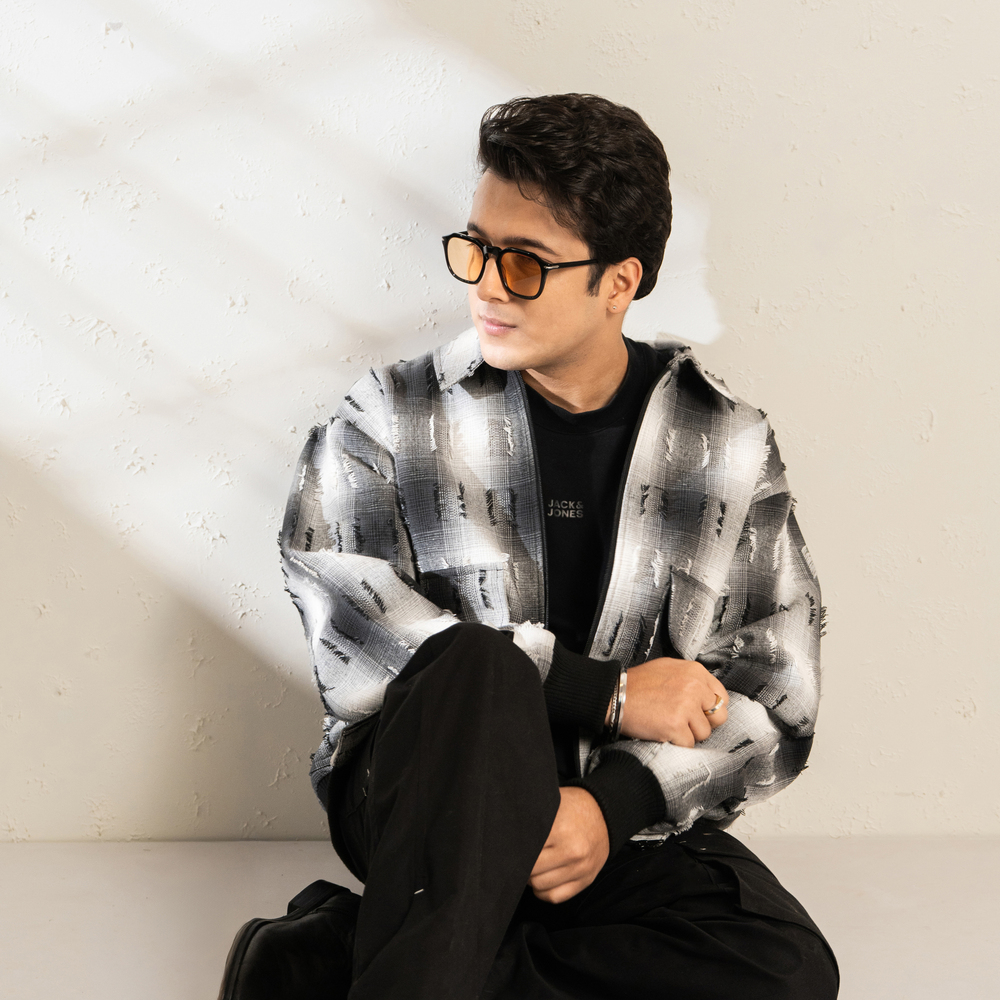
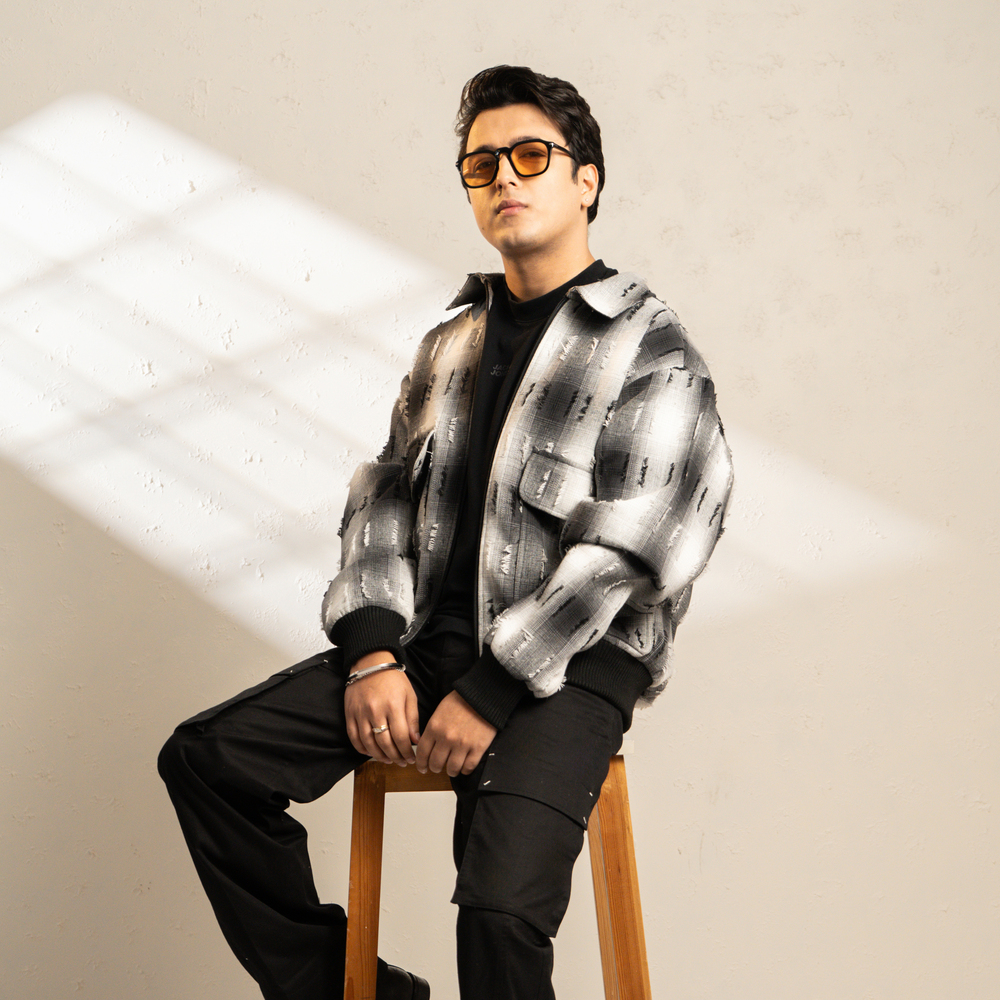
From the bylanes of Ghaziabad to stages across the country, Aditya Rikhari has quietly built a musical journey rooted in honesty, emotion and patience. In this candid conversation for Jan 2026 Digital Cover, the singer-songwriter reflects on the moments, songs and experiences that shaped his evolution, from early singles to chart-topping independent hits like Sahiba. He opens up about live performances, fan connections, creative collaborations and the lessons learned while mentoring young artists. At its heart, this interaction captures an artist grounded in sincerity, navigating growth while staying deeply connected to the emotions that first drew him to music, check it out!
From the city of Ghaziabad to national recognition, how does this journey look like for you?
Coming from Ghaziabad to a stage where my music is being heard all across the country has been surreal. It wasn’t instant, it was patience, honesty, and a lot of belief in the songs I write and sing. I’ve always trusted the emotional connection in my music more than trends, and it’s humbling to see that it resonates with people from different places and walks of life.”
Sahiba has become one of the longest-running independent hits on streaming charts in 2025. What do you think makes that song resonate so deeply with listeners?
I think Sahiba stayed with people because it was honest. There was no pressure to make a hit, it was just a feeling, written and sung exactly the way it came to me. The emotion was simple and real, and I feel listeners connected to that truth and made the song their own over time.
Watch ‘Sahiba’ here:
From the India tour to festival performances like Horn OK Please and Casa BACARDÍ On Tour, what has been the most memorable moment on stage for you, and why?
One of the most memorable moments for me was hearing the entire audience clap in sync to the sargam of Ae Ajnabee. I sang it for the first time at Coke Studio Bharat’s first-ever live show, and then again at my first-ever standalone show at the Dome in Mumbai. It’s still unreleased, so feeling that kind of love and warmth from the audience both times for the song was truly unreal.
How do you prepare differently for a solo concert versus a large festival crowd, especially when performing chart-toppers like ‘Sahiba’?
A solo concert feels more intimate, I prepare it like a conversation, where I can slow things down and let the songs breathe. At festivals, the energy is much bigger, so it’s about keeping the momentum and connecting quickly, especially with songs like Sahiba that carry the collective emotion of the crowd, that people already know and sing along to.
Can you share a story from your interactions with fans at live performances that genuinely moved you?
Sometimes during shows, I see people in the crowd wiping away tears. Later when they come up to meet me, they’re still emotional, still holding on to that feeling. There have been times when fans bring placards saying a particular song helped them through a difficult phase in their life. Moments like these move me deeply. You make music in your room, quietly, never really knowing how far it will travel or who it will hold along the way. To witness that kind of connection in real life, it’s overwhelming in the best way. It’s something I never imagined when I first started making songs.
Your recent collaborations (like with Rochak Kohli, Simran Chaudhary and more) show experimentation with new styles. How do these creative partnerships influence your sound?
Every collaboration brings a new colour to my music. Working with Rochak on Suroor let me explore a blend of styles, where soulful qawwali energy met indie-pop, and it pushed me to think differently about melody and texture. Rehle Mere Kol with Simran was about finding emotional balance between our voices and letting that vulnerability lead the song. These partnerships expand my sound because I’m learning from each other’s instincts and bringing those fresh perspectives back into my own music.

Looking back at your discography, from earlier singles like ‘Faasle’, ‘Teri Yaad’, to newer material, how would you describe your evolution as a songwriter?
Looking back from Faasle and Teri Yaad to my newer songs, I feel my songwriting has evolved because I’ve learned to trust what feels true rather than follow any formula. My earlier work was rooted in simple emotion, and over time I’ve become more comfortable letting songs grow at their own pace and exploring different sounds without force, whether it’s something deeply personal or a collaboration that brings a new perspective. For me, honesty in the craft has always been the guiding thread.
In 2025, you stepped into the role of mentor on Amazon’s I-POPSTARS. What has mentoring young artists taught you about your own musical journey?
Mentoring on I-POPSTARS reminded me that every artist is still figuring things out, no matter where they are on their journey. Working with young musicians who were so curious and fearless made me realise how much I still have to learn myself. In many ways, I felt like I was on the same level as them, discovering and unlearning things together. It reinforced the idea that growth in music never really stops.
How has performing live influenced your approach to writing and producing music for future releases?
Performing live has changed the way I think about music, it’s made me much more aware of how a song feels in the moment, not just how it sounds in a studio. When you see people singing or reacting in real time, you learn what resonates emotionally and what makes a connection. That feedback has naturally started to find its way into how I write and produce now, I think more about space, dynamics, and honesty so that the songs live well both on headphones and onstage
Looking ahead to 2026 and beyond, what new musical territories or themes are you most excited to explore in your work?
Looking ahead to 2026 and beyond, I’m excited to keep exploring deeper emotional landscapes and new sonic textures, blending sounds and styles that resonate with people but still feel true to me. Collaborations like Suroor taught me how different musical influences can open new doors, and I want to keep pushing those boundaries while staying honest to the way I write. Whether it’s working on new films, non-film projects or finding ways to connect with audiences in fresh ways, I’m really looking forward to growing, learning, and creating music that feels timeless rather than formulaic.
As Aditya Rikhari looks ahead, his journey feels less about chasing milestones and more about deepening intent. Whether it’s experimenting with new sonic textures, learning through collaboration or drawing inspiration from the energy of live audiences, his focus remains firmly on honesty in craft. This conversation reveals an artist who understands that growth is continuous, shaped by unlearning, listening and emotional openness. With new music, collaborations and creative chapters on the horizon, Aditya’s path forward promises work that resonates beyond trends, offering listeners songs that feel lived-in, personal and timeless. For him, the music continues, evolving, breathing and connecting, one honest note at a time.
Article by Vishwa Deepak Dikshit
