
Feb
Digital Cover
February 2026: From Stage to Startup: A Business Blueprint for Musicians
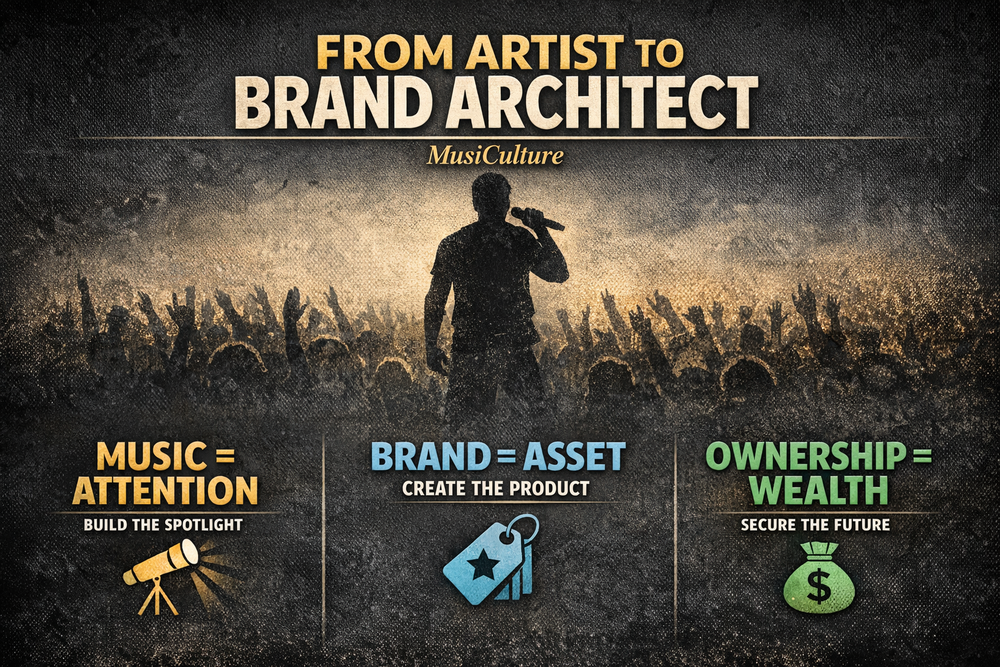
The global music industry is no longer powered by album cycles alone. Streaming has flattened revenue curves, touring fluctuates with markets and geopolitics, and algorithms decide visibility more than artistry sometimes does. In this evolving landscape, musicians who want longevity are beginning to understand a powerful truth: attention is temporary, but ownership compounds.
Around the world, artists are transitioning from performers to founders. They are building fashion houses, beauty empires, tech products, wellness brands, beverage labels, and cultural platforms. These ventures are not vanity side projects. They are long-term infrastructure plays designed to create equity, stability, and generational wealth.
Rihanna transformed her cultural identity into Fenty, a brand rooted in inclusivity and representation that felt authentic to her persona long before it became a corporate mission statement. Dr. Dre extended his authority as a producer into Beats by Dre, aligning product with credibility. Jay-Z built Roc Nation into a multi-dimensional cultural enterprise that transcends music entirely. Having said that, there have been innumerous cases where the entrepreneurial ventures from musicians do not succeed in achieving what they set out to do. The reasons are more intrinsic as opposed to extrinsic in majority of such cases.
India is entering a similar phase. Diljit Dosanjh has exported Punjabi identity into global pop culture, proving that regional pride can become an international brand language. Honey Singh built an era where persona, aesthetic, and attitude became marketable beyond music itself. Badshah embodies aspirational luxury and street culture in a way that naturally translates into fashion and lifestyle collaborations.
The lesson is simple yet profound: the strongest product brands do not begin with products. They begin with identity.
Identity Is the Product
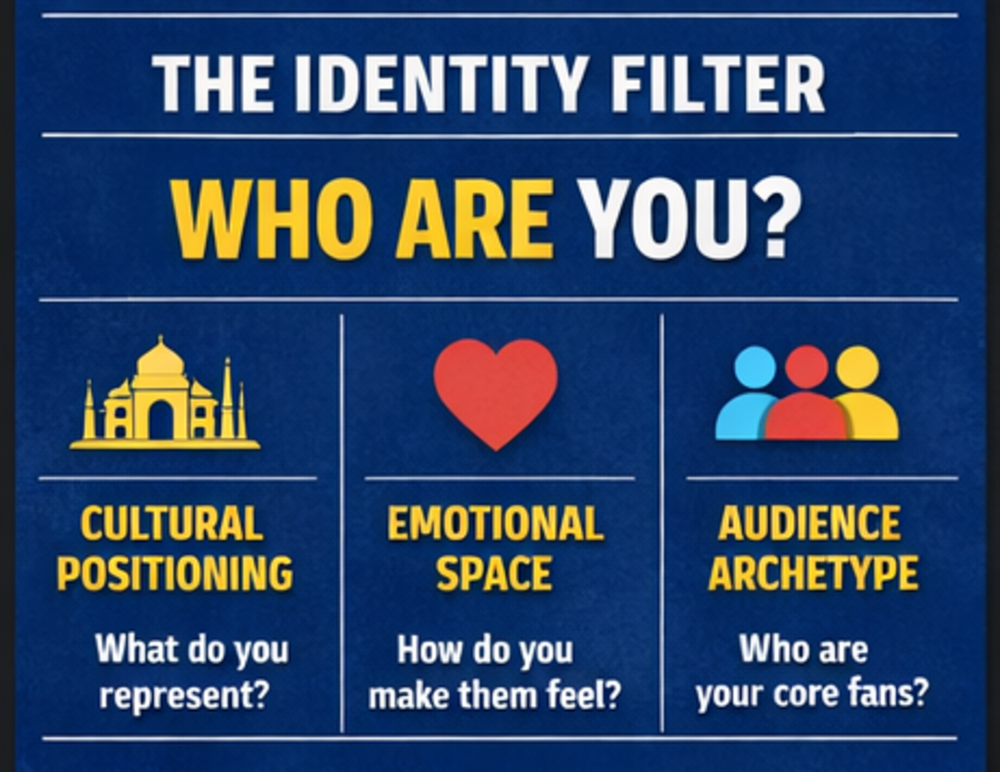
Before launching anything tangible, a musician must articulate what they represent emotionally and culturally with absolute clarity. Identity is not a logo, a colour palette, or a tagline, it is the emotional shorthand audiences associate with the artist. Are they a symbol of rebellion challenging the status quo, or do they embody quiet spirituality and introspection? Do they represent nostalgia and longing, or are they aspirational figures of ambition and upward mobility? Some artists become safe spaces for vulnerability, while others represent celebration, glamour, or cultural pride. The key is not choosing what feels commercially attractive, but identifying what already exists authentically in the relationship between the artist and their audience.
Listeners subconsciously assign roles to the musicians they follow. They may see them as comfort figures during heartbreak, fashion icons influencing aesthetic choices, disruptors redefining genre boundaries, or cultural custodians preserving language and heritage. These perceptions are powerful because they are emotional, not transactional. When a product grows directly from that established emotional territory, it feels inevitable. When it doesn’t, it feels forced. Without clarity in emotional positioning, even a well-designed product risks being perceived as opportunistic rather than organic. But when identity leads and products follow, the brand becomes an extension of the artist’s story rather than a distraction from it.
Audience First. Product Second.
The most common mistake musicians do is they launch products or business they like rather than understanding what their audience wants from them. Understanding audience behaviour at a granular level is the very key to a successful business model. A Gen Z indie-pop listener in Mumbai consumes culture through Instagram reels, aesthetic playlists, campus gigs, and emotionally coded storytelling. A Punjabi diaspora fan in Toronto may experience music as a bridge to heritage and identity, blending nostalgia with global ambition. A devotional music listener in Varanasi might approach songs as spiritual practice rather than entertainment. Each audience not only listens differently, but spends differently, engages differently, and assigns different meaning to the artist. Product–market fit in music branding is therefore not a theoretical exercise pulled from startup playbooks; it is deeply community-driven and culturally contextual.
When an artist truly studies their audience, product direction becomes clearer and more strategic. An artist followed by young creators and aspiring musicians might naturally build educational platforms, sample packs, production masterclasses, or digital communities. A musician whose work is rooted in spirituality and introspection could extend into meditation experiences, heritage-inspired apparel, ritual objects, or wellness products that feel aligned with their emotional space. A high-energy festival performer with a strong visual identity might succeed with limited-edition fashion drops, immersive live concepts, or event-led brand extensions. The opportunity lies in observing how the audience lives, not just how they listen, and building products that integrate seamlessly into that lifestyle.
Positioning: The Make-or-Break Factor
Positioning becomes the make-or-break factor in any artist-led venture and this where largely every artist struggle, especially in India where the scope and impact is still in its building stages. Entering a new category is not simply about spotting a market opportunity; it is about crafting a credible bridge between identity and product. The audience must immediately understand why this offering exists in the artist’s universe. If that connection is unclear, scepticism follows. Why this product? Why now? Why you? These questions sit silently in the consumer’s mind. A tea brand launched by a random pop star with no visible connection to wellness or ritual feels transactional and disposable. It may generate curiosity at launch, but without narrative logic, it struggles to build loyalty or repeat purchase.
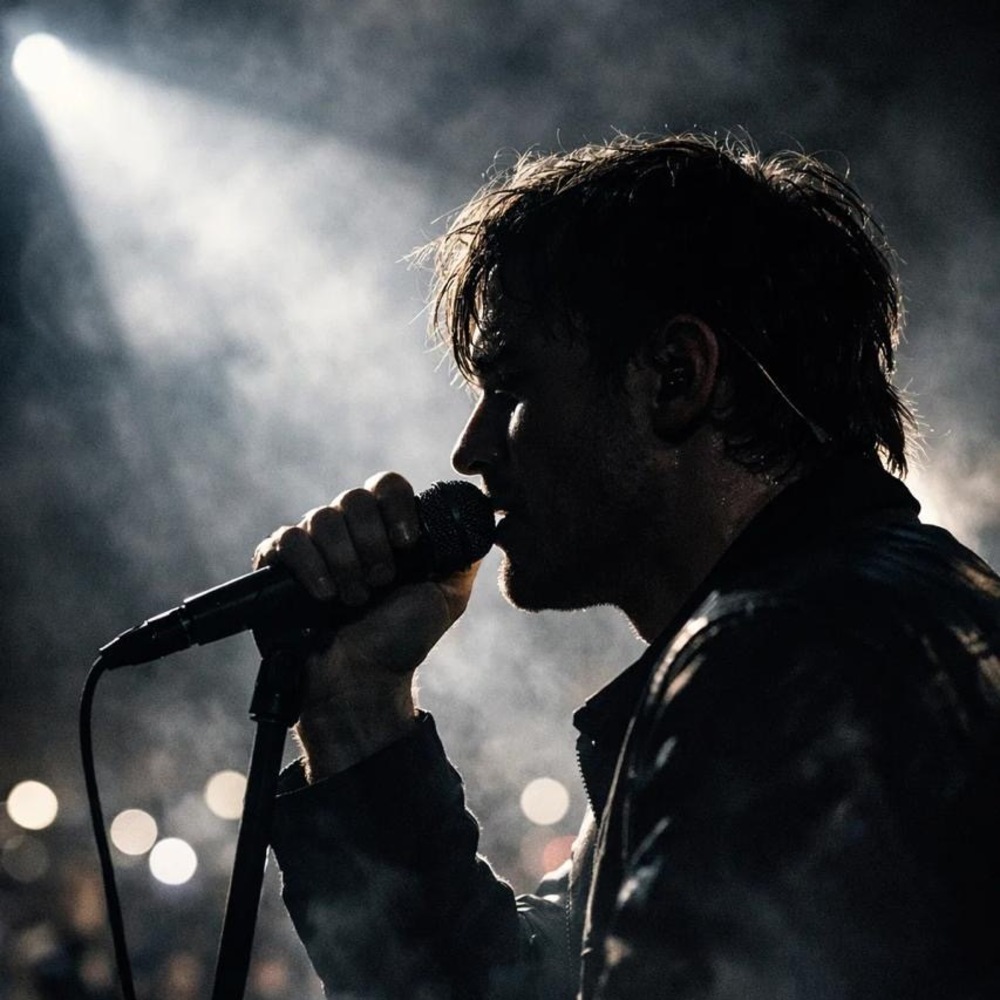
In contrast, a ritual-based wellness line introduced by an artist known for emotional depth, reflective songwriting, and late-night vulnerability creates narrative resonance. The product feels like a natural extension of their creative world rather than a detour from it. When positioning aligns with perception, marketing becomes amplification rather than persuasion. The audience already believes the story, so communication costs drop and conversion becomes smoother. Strong positioning does not shout; it signals. It tells the consumer, “You already know why this makes sense.” And in a crowded market, that quiet coherence is often more powerful than aggressive promotion.
Profitability Is Operational
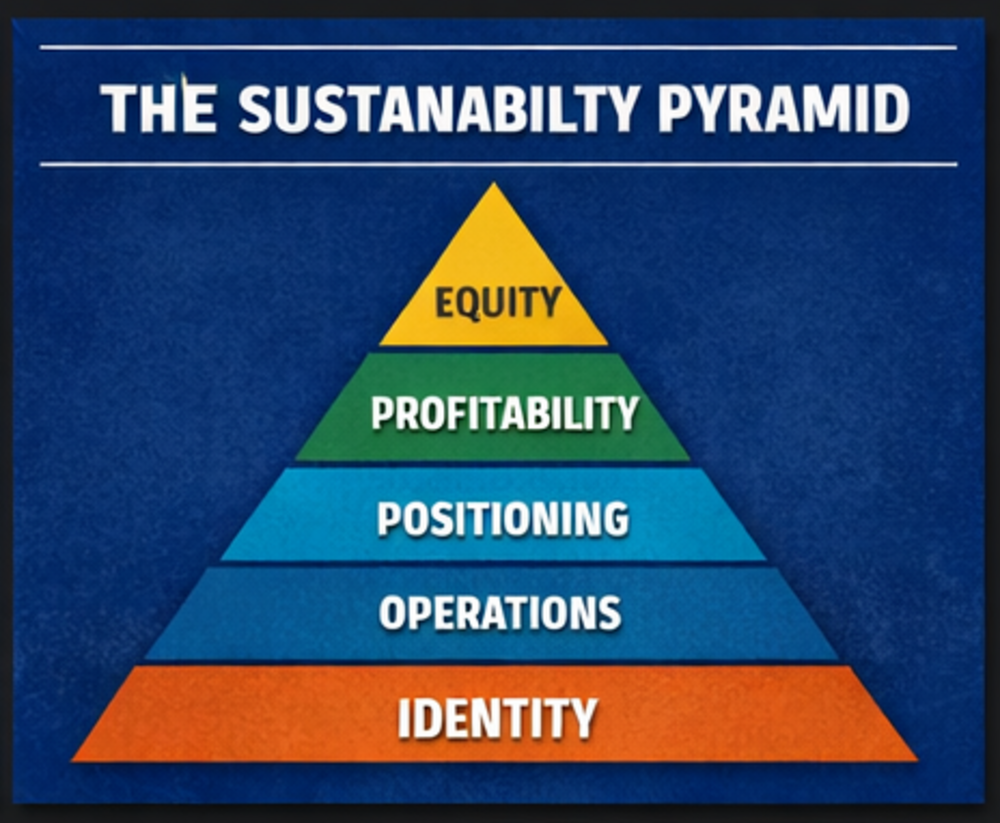
The transition from artist to entrepreneur also demands a shift in mindset. A product brand cannot survive on hype alone. It requires supply chain stability, margin discipline, operational clarity, and long-term planning.
In India, many artist-led ventures struggle because they treat product extensions like merchandise drops rather than structured companies. The difference between a short-term drop and a long-term brand lies in systems. Merchandise is episodic and promotional; a brand requires infrastructure, governance, and operational depth. Artists who are serious about sustainability must think beyond hype cycles and social media launches. They need experienced operators who understand supply chains and scale, financial discipline that prioritises margins and cash flow, strong legal protection of intellectual property, and a clearly defined distribution strategy that ensures consistent market presence. Without these foundations, even the strongest personal brand can fail to translate into a viable business.
India’s Unique Advantage
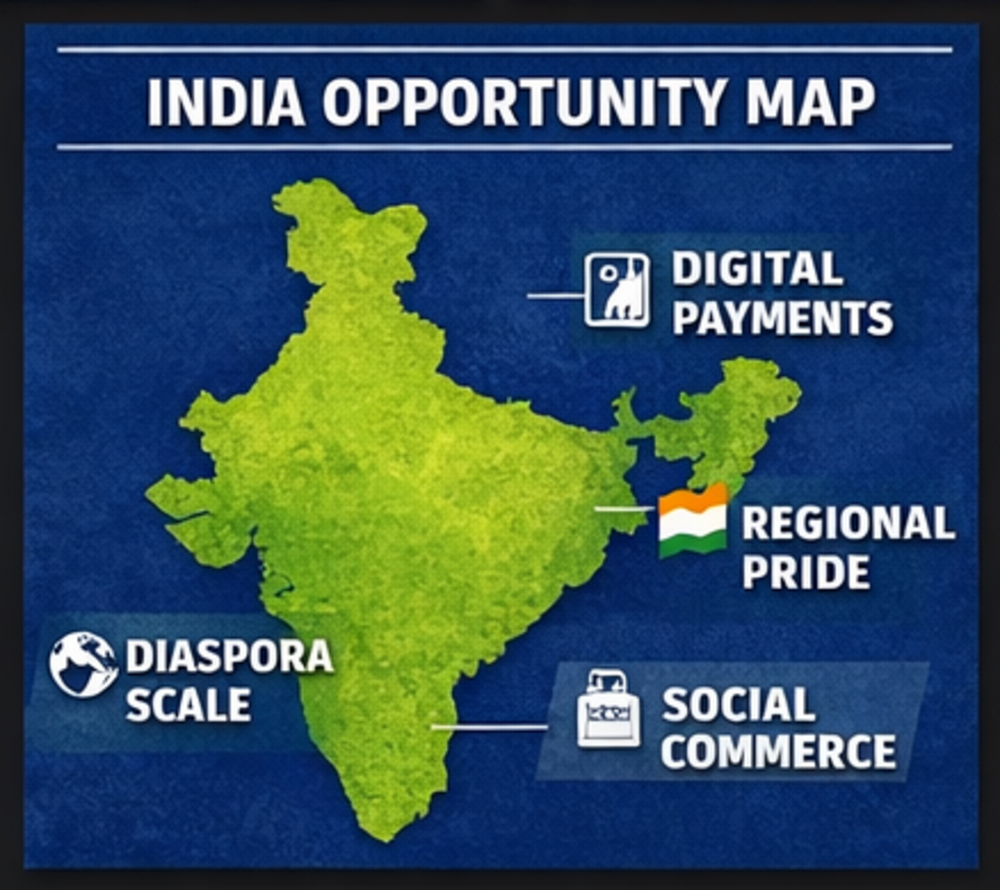
India offers something uniquely powerful to artist-entrepreneurs: scale. With over 600 million internet users and a rapidly expanding digital payments ecosystem powered by seamless UPI adoption, musicians today can build direct-to-consumer brands without relying on traditional gatekeepers such as large retailers or legacy distributors. Social platforms have collapsed distance between creator and consumer, allowing artists to sell, communicate, test products, and gather feedback in real time. The infrastructure that once required corporate backing is now accessible from a smartphone, creating unprecedented opportunity for independent brand building.
Beyond sheer numbers, India’s growth is being driven by Tier-2 and Tier-3 cities, where aspiration and digital consumption are accelerating rapidly. Regional identity is stronger than ever, with audiences proudly supporting language, culture, and local representation. At the same time, diaspora communities across North America, the UK, the Middle East, and Australia amplify Indian cultural exports globally. Social commerce continues to boom, turning engagement into instant transactions. In this environment, an artist with even 500,000 deeply engaged fans can build a meaningful and profitable brand, provided the conversion strategy is intentional, the positioning is sharp, and the community relationship is nurtured with consistency.
Community Over Consumer
Globally, artists like Kanye West proved that aesthetic consistency could transform clothing into cultural currency. Bad Bunny has shown how identity-driven fashion moments can dominate global conversation. In India, the next wave of artist-entrepreneurs will likely emerge from hip-hop, regional pop, devotional fusion, and indie communities, where fan loyalty runs deep and cultural pride is strong.
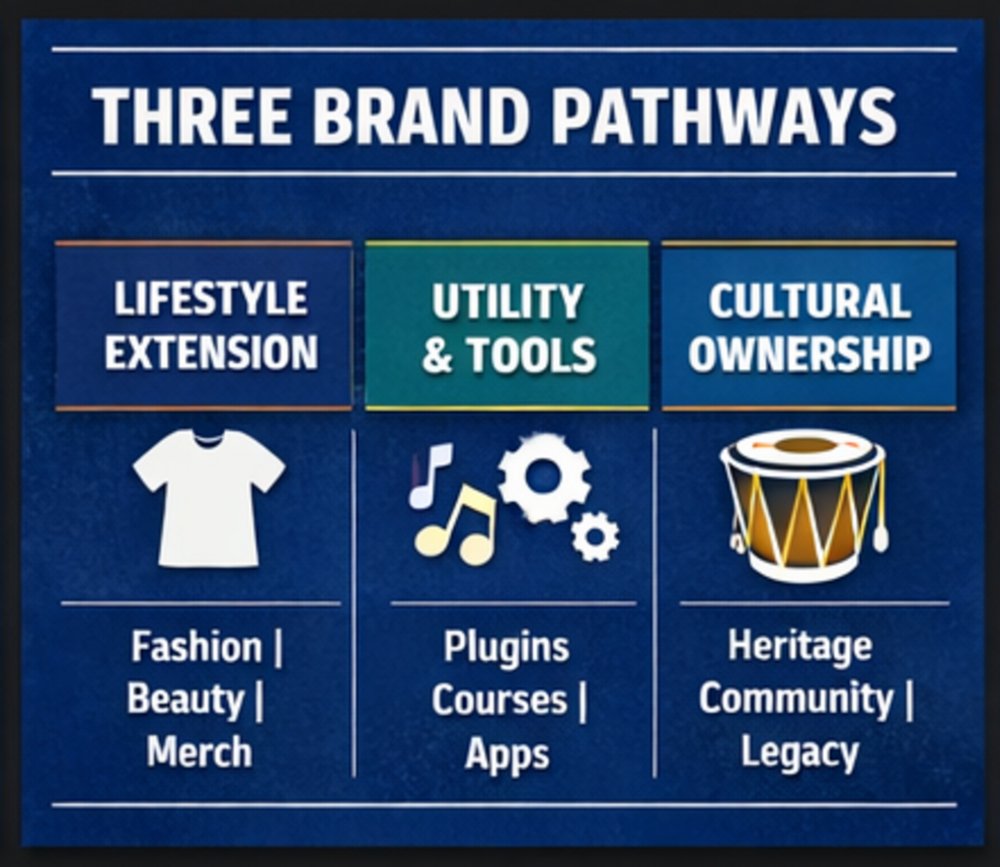
The most successful artist-led brands are not audience-driven; they are community-driven. They are built on intimacy, not scale alone. Limited drops create anticipation and exclusivity. Founders’ notes humanise the business and reinforce emotional connection. Behind-the-scenes access transforms product launches into shared journeys rather than transactional announcements. Early access lists reward loyalty, while private ecosystems such as Discord servers or WhatsApp communities turn passive followers into active insiders. These mechanisms are not gimmicks; they are trust-building tools that convert fandom into belonging.
When fans feel like participants rather than customers, the dynamics of growth change entirely. They do not just buy the product, they advocate for it, defend it, and amplify it organically. Community members share launches, create user-generated content, and contribute feedback that improves future iterations. This sense of co-creation dramatically reduces paid marketing dependency because word-of-mouth becomes the primary engine of growth. When ownership is emotional, loyalty becomes durable, and the brand evolves into a shared identity rather than a standalone commodity.
Revenue Diversification Is No Longer Optional
Relying solely on streaming revenue, touring cycles, and brand endorsements is increasingly unstable in today’s music economy. Streaming payouts fluctuate with algorithms and platform policies, touring depends on geography, ticketing dynamics, and macroeconomic conditions, and endorsements are often campaign-based and temporary. While these income streams can be lucrative, they are rarely predictable or fully within the artist’s control. Building a product brand, however, shifts the equation from short-term income to long-term ownership. It creates tangible assets, unlocks equity valuation, strengthens leverage in investor conversations, and introduces the possibility of strategic exits or acquisitions.
Globally, artists are already thinking beyond performance and into enterprise, building companies that operate independently of their release cycles. In India, this transition is still in its early stages, but the infrastructure, digital access, and cultural momentum are aligning rapidly. The next decade will not simply reward musicians who trend; it will reward those who build. The artists who embrace founder mindset, operational discipline, and long-term vision will not just dominate charts, they will shape industries.
Long-Term Sustainability Framework
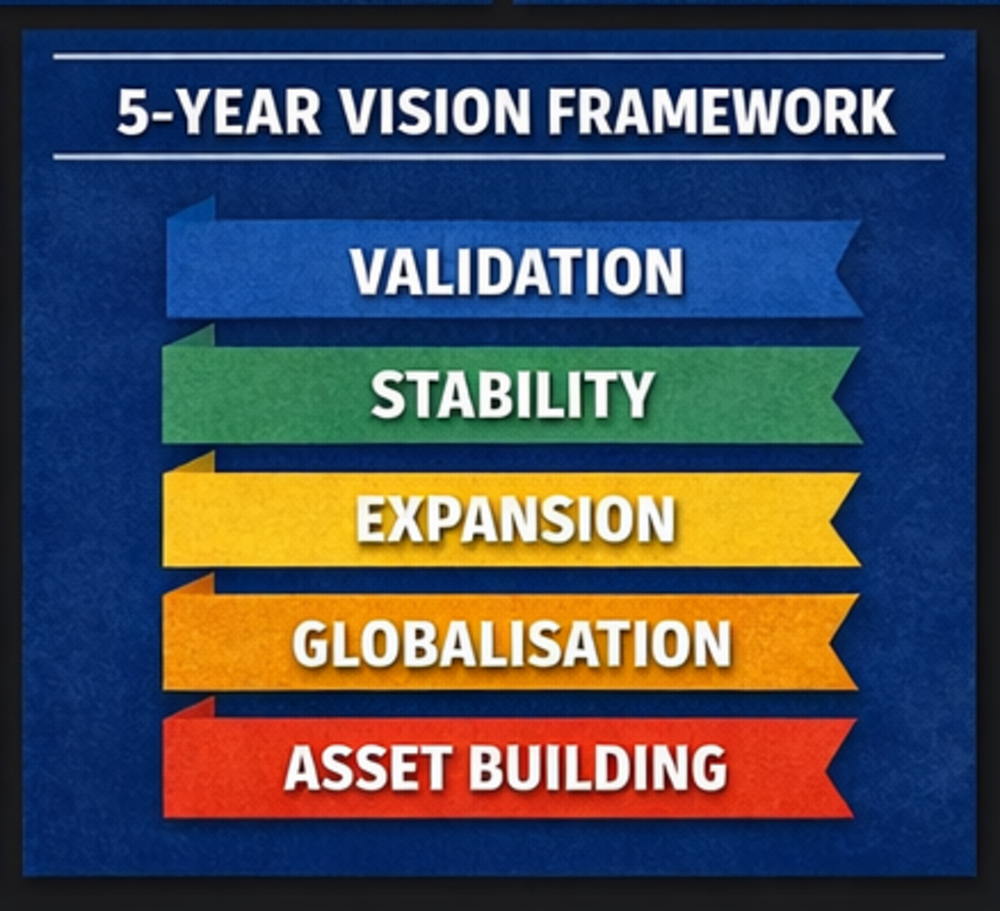
In Years 1 and 2, the focus should be validation, not velocity. Limited launches allow artists to test demand without overcommitting capital or inventory, while closely monitoring audience response. Building strong feedback loops through community interaction, surveys, and direct engagement ensures the product evolves with real consumer insight rather than assumption. During this stage, protecting intellectual property is critical, trademarks, design rights, and contractual clarity lay the legal foundation for future growth. The early phase is about learning, refining, and building operational discipline before chasing scale.
Between Years 3 and 5, the emphasis can shift toward structured expansion. Scaling must be deliberate, backed by proven demand and healthy margins. Product lines can expand strategically, but only in alignment with brand positioning and operational capacity. Distribution networks should be strengthened, whether through direct-to-consumer optimization or selective retail entry. Beyond Year 5, mature brands can explore larger retail partnerships, international market expansion, equity collaborations, and even acquisition conversations. Sustainable growth in this journey is rarely explosive; it is cumulative. In the long run, patience beats hype.
The Emotional Advantage Musicians Already Have
Unlike traditional founders, musicians begin their entrepreneurial journey with an extraordinary advantage: they already command attention. They possess storytelling power that can translate complex ideas into emotionally resonant narratives. They carry cultural influence that shapes taste, language, and aspiration. They hold emotional credibility earned through songs that soundtrack people’s lives. They operate with built-in communities that have gathered organically over years of releases, performances, and shared moments. They also understand media leverage intuitively, knowing how to create moments that spark conversation and visibility.
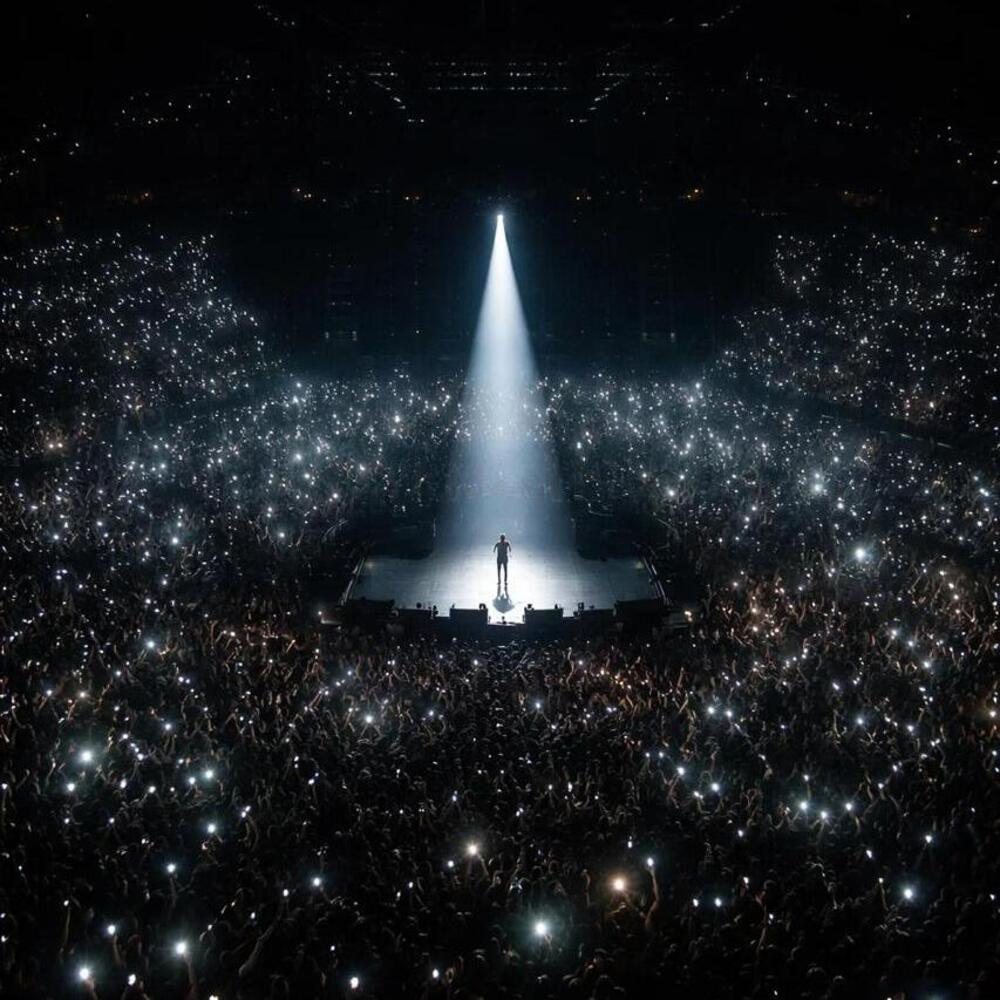
Most startups spend crores attempting to acquire what artists naturally own, sustained audience attention and trust. Founders invest heavily in branding agencies, influencer campaigns, and PR strategies to manufacture relevance. Musicians, by contrast, already sit at the center of cultural conversation. The true opportunity lies not in chasing more visibility, but in converting existing attention into durable assets. When influence is channelled into ownership, through thoughtfully built product brands, attention transforms from fleeting hype into long-term enterprise value.
Final Note: Beyond Fame
The musician of the future will not be defined solely by chart positions. They will be founders, strategists, and ecosystem builders. They will create brands that travel across categories and continents. They will convert cultural influence into long-term infrastructure.
Building a product brand is not about monetizing fame. It is about extending identity, serving community, and creating financial independence that does not depend on algorithms. The question facing modern musicians is no longer what their next hit will be. It is what they are building that will outlive it.
Article by Vishwa Deepak Dikshit
