
Jan
From the Vault
“Culture Cannot Be Transactional”: V. G. Jairam on Live Entertainment, Brands & the Mahindra Blues Festival
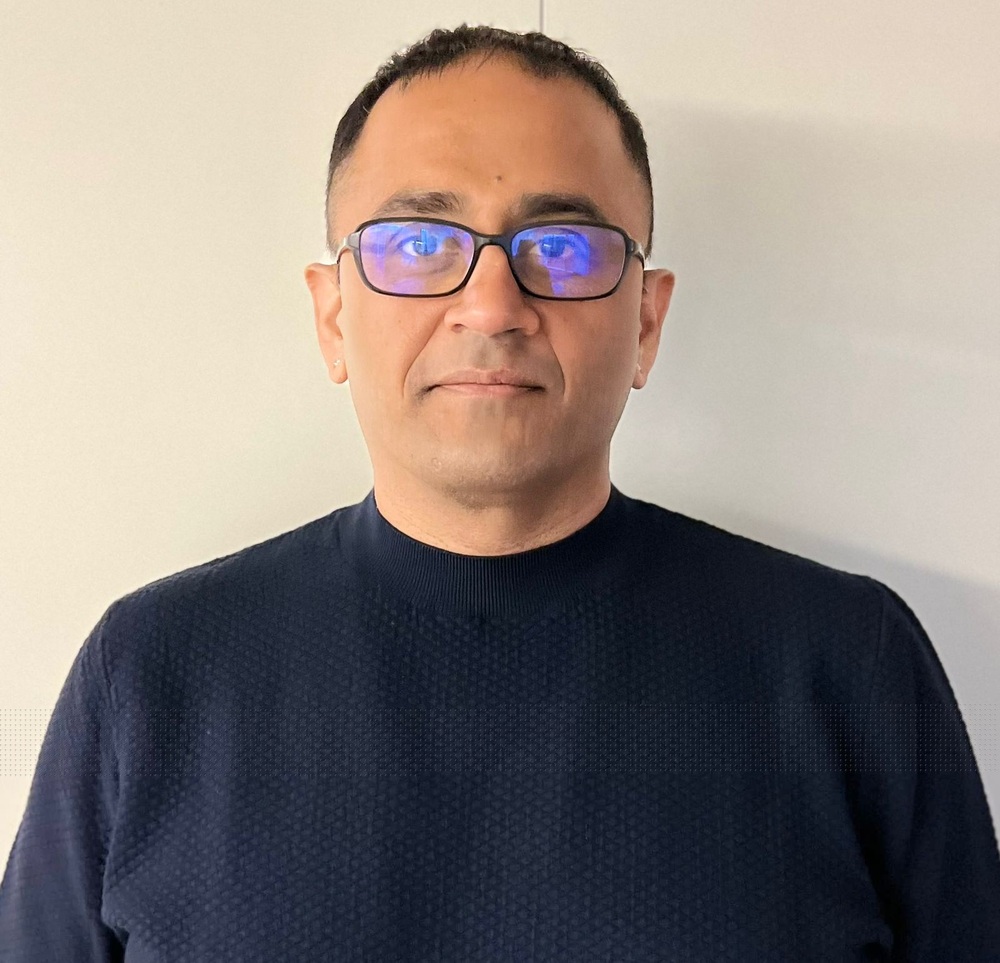
With over three decades in India’s live entertainment and culture marketing ecosystem, V. G. Jairam has seen the industry evolve through cycles of growth, disruption and reinvention. From founding Fountainhead and Oranjuice Entertainment to building Hyperlink Brand Solutions, his journey mirrors the rise of experiential marketing and live culture in India. In this candid MusiCulture conversation, Jairam shares sharp insights on the post-pandemic concert boom, the economics of live music, brand authenticity, audience behaviour and the philosophy behind building enduring cultural IPs like the Mahindra Blues Festival.
You’ve spent over three decades in the live entertainment industry. How did your journey begin and evolve into what Hyperlink is today?
I started in the entertainment industry when I was around 18. The first phase of my journey was with Fountainhead, alongside partners like Brian Tellis and others. Later, in 2004, we started Oranjuice Entertainment, which was among the early culture marketing companies in India.
In 2015, we sold the business to Dentsu Japan, and after exiting, the pandemic period in 2020 gave us an opportunity to restart when Dentsu exited non-core businesses. That’s when Hyperlink was born. Today, we’re a full-service experiential agency operating across Mumbai, Delhi, Bengaluru, Hyderabad, with around 200 people, working across events, activations, culture marketing, and content. Live entertainment has been my constant throughout.
How do you assess the current state of live music and concerts in India?
The last three to three-and-a-half years have seen explosive growth, largely driven by post-COVID pent-up demand. Audiences were desperate to step out, and almost every show sold out. Interestingly, international artists weren’t touring India immediately, which opened up massive opportunities for Indian artists to scale up and play larger venues.
However, while the industry has buzz and eyeballs, there’s very little real profitability, especially with international concerts. The cost of acquiring international talent has become unsustainable for the Indian market. In many cases, promoters are burning money. The only people consistently making money are the artists, and rightly so from their perspective.
At Hyperlink, we are very clear: if it doesn’t make business sense, we won’t do it. PR value alone cannot justify losses.
What role do brands play in sustaining the live entertainment ecosystem today?
Brands play a critical role, but sponsorship alone doesn’t work anymore. We’ve always believed in building cultural IPs that brands actually own, rather than one-off logo placements. Brands are not interested in music per se, they are interested in consumers. Music is simply the medium.
Take properties like Mahindra Blues, Mahindra Percussion, Independence Rock, or Aadyam Theatre with the Aditya Birla Group. These aren’t transactional associations; they’re long-term commitments. The moment a brand behaves opportunistically, consumers see through it immediately.
Authenticity is non-negotiable. If brands want impact, they must invest not just money but intent, storytelling, and experience design.
You’ve spoken about the industry heading towards a slowdown. What signs are you seeing?
I do believe some realism is about to set in. Ticket sales frenzy will cool down, some tours may get cancelled, and sponsors will become more cautious. Consumer spending has limits, especially when concert tickets start touching absurd price points.
India is still a developing live market. Unlike cities like London or New York, we don’t yet have tourism-driven concert economies. That will take time. Until then, balance is crucial.
Today’s audiences are far more sensitive to authenticity. How has that changed storytelling and experience design?
It’s actually very simple: put the consumer at the heart of everything. Ask yourself: would I pay for this experience? Would I feel respected here? If the answer is no, don’t build it.
Younger audiences are extremely perceptive. They’re overexposed, impatient, and driven by FOMO. Discovery has reduced, attention spans are shorter, and loyalty to artists or genres is minimal. But the magic of live music still exists; it just needs nurturing.
We must encourage people to attend smaller gigs, club shows, regional and folk performances. That’s how listening cultures are built.
Large concerts are booming, but do they hurt independent artists and smaller festivals?
To some extent, yes. Disposable income gets diverted towards blockbuster shows. But it doesn’t cost much to attend an Indian artist’s club gig. The problem is not affordability alone; it’s awareness and choice.
Audiences are smart. They just need better curation, communication, and alternatives. Live music shouldn’t begin and end with stadium shows.
You’ve been closely associated with the Mahindra Blues Festival since its inception. What makes it special?
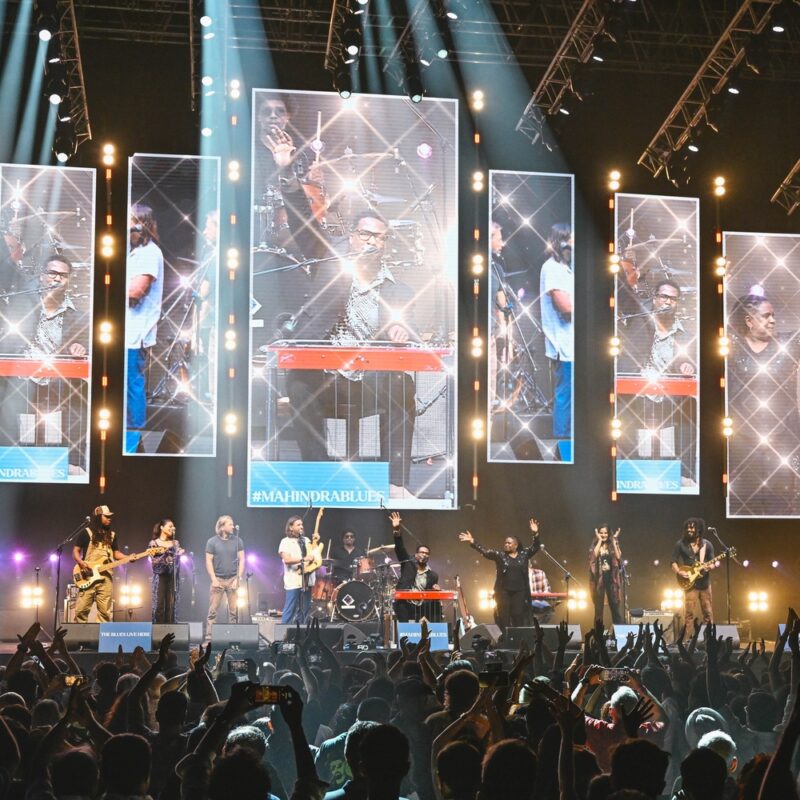
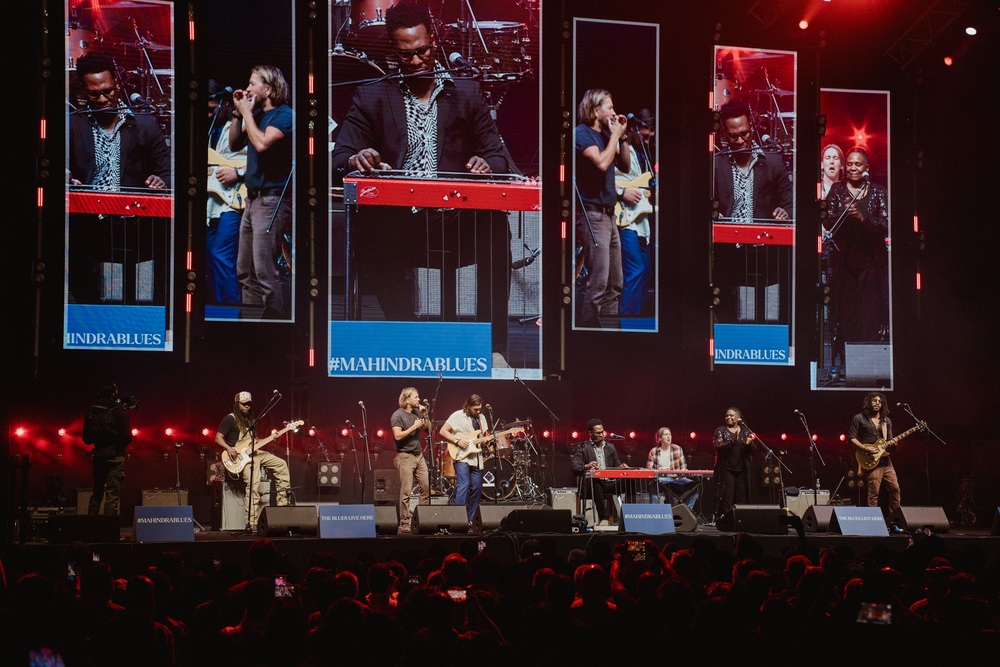
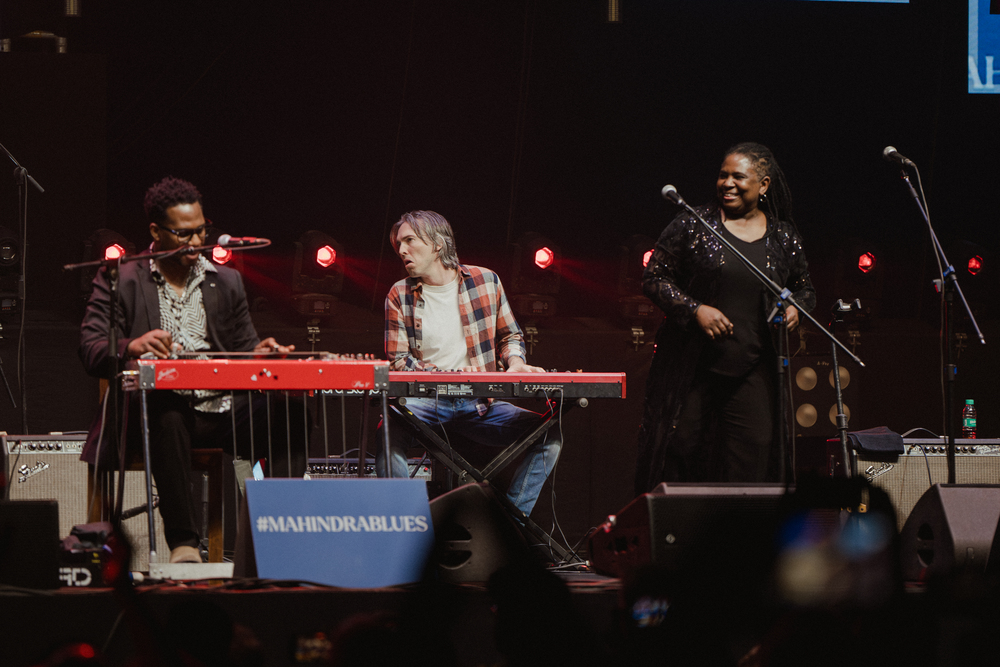
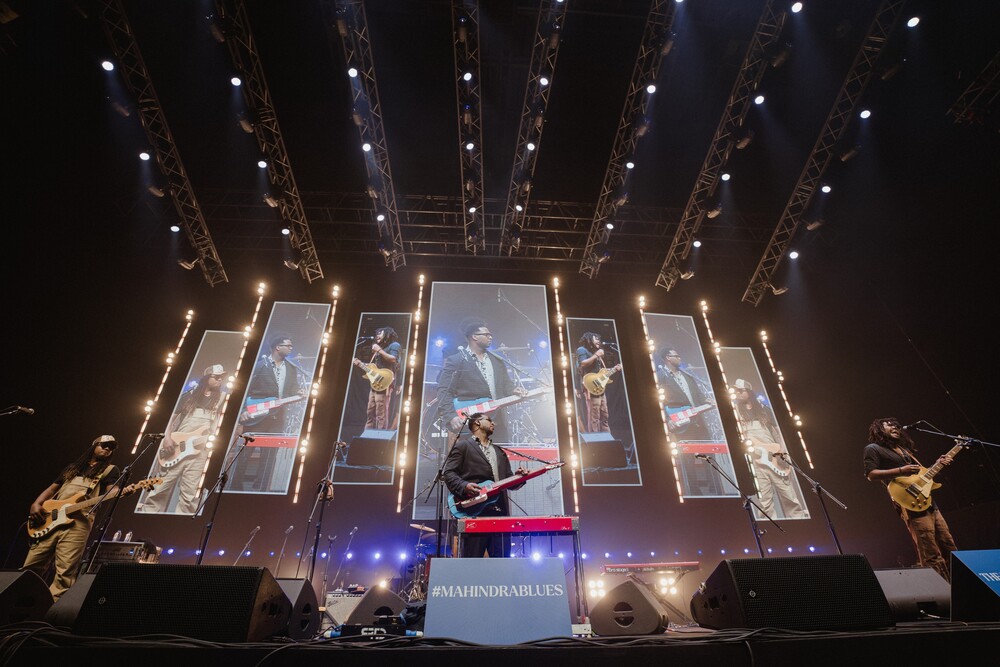
Mahindra Blues was built on a bold idea: to give a dying American art form a home outside America. Blues was struggling globally, even in the US. Mahindra’s vision was clear: no dilution, no genre mixing, only authentic blues.
Today, Mahindra Blues enjoys cult status among global blues artists. Over the years, our audience has shifted from 45+ to nearly 60% between 20–35 years, which is remarkable for blues.
The festival has evolved into a larger cultural movement, from Blues in Schools programs to collaborations with the Lincoln Center in New York, the Chicago editions at Buddy Guy’s Legends club, radio shows, and being the world’s largest online blues platform on Meta.
Why has Mahindra Blues remained exclusive to Mumbai?
Because sometimes perfection shouldn’t be tampered with. Blues resonates deeply with Mumbai’s spirit, struggle, migration, and working-class stories. Hosting it at an iconic venue like Mehboob Studios completes that narrative.
Mahindra Blues isn’t about scale or revenue maximisation. It’s about community. People travel from across India and the world for it. It’s a tribe, and tribes thrive on consistency, not expansion.
What’s your message to the future of India’s live music ecosystem?
Live music will always survive. But we must educate younger audiences to look beyond the biggest names, to discover artists, genres, and cultural roots. Support Indian music. Support emerging voices.
If brands, promoters, and audiences commit to authenticity, patience, and purpose, the ecosystem will sustain itself. Culture cannot be transactional, it has to be lived.
As the live entertainment industry stands at a critical crossroads, voices like V. G. Jairam’s offer much-needed clarity and perspective. Rooted in experience, his insights cut through the noise to emphasise sustainability, authenticity and long-term cultural thinking over short-term hype. From building enduring brand-led cultural IPs to nurturing niche art forms and younger audiences, his philosophy underscores the responsibility that comes with shaping live experiences. As India’s concert economy continues to evolve, the future will belong to those who invest in community, honesty and purpose, ensuring that live music remains not just loud and large, but meaningful and lasting.
