
Oct
Prime Feature
Britney Spears Calls Out Pop Stars For Copying Her Image: “I’m The Original”
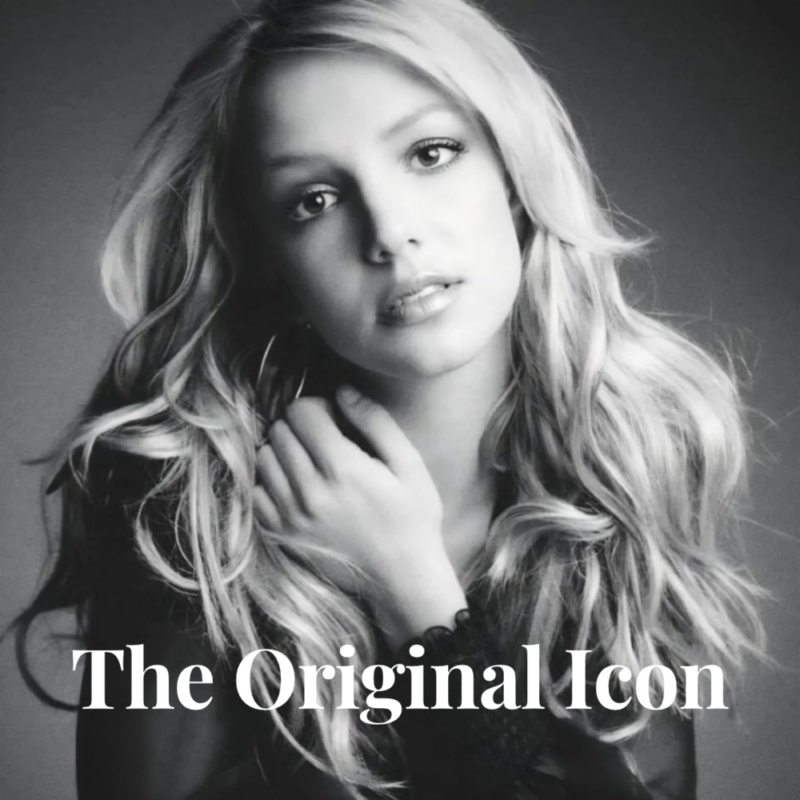
Mumbai, 19th October 2026: Britney Spears has sparked a fresh conversation about originality in pop music after seemingly calling out younger performers for recreating the image she made famous early in her career. In an Instagram post shared on October 17, the pop superstar reflected on how several artists had adopted her former look, adding that while the similarities were understandable, “at least mine was real.” Her comments have drawn attention to the lasting influence of Spears on pop culture and the visual identities of a new generation of artists.
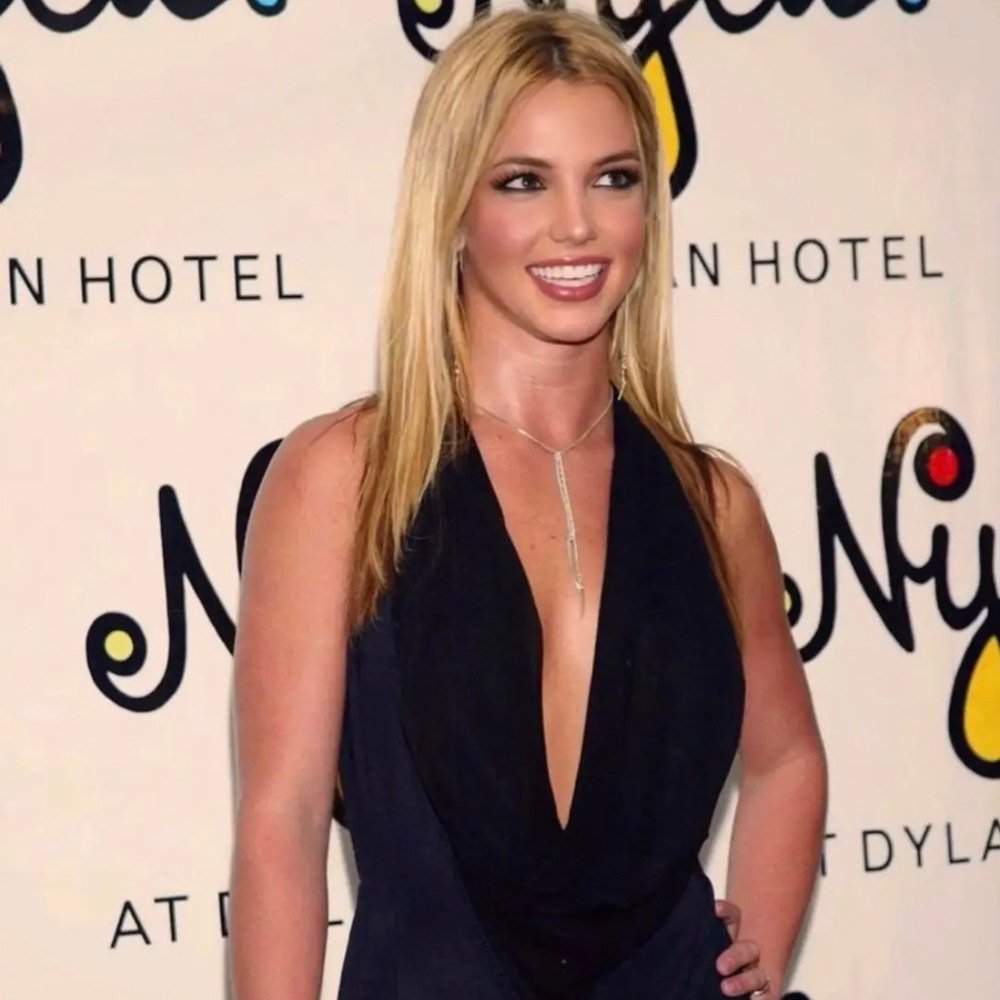
Accompanying the post was a video of Spears dancing in a white shirt tied at the waist, a short grey skirt and red boots, set to Chris Isaak’s 1995 song “Baby Did a Bad Bad Thing.” Although she did not name any artists, her remarks appeared to reference the schoolgirl aesthetic associated with her 1998 debut single, “…Baby One More Time.” The music video’s school uniform, distinctive choreography and rebellious styling helped establish one of the most recognisable images in modern pop history.
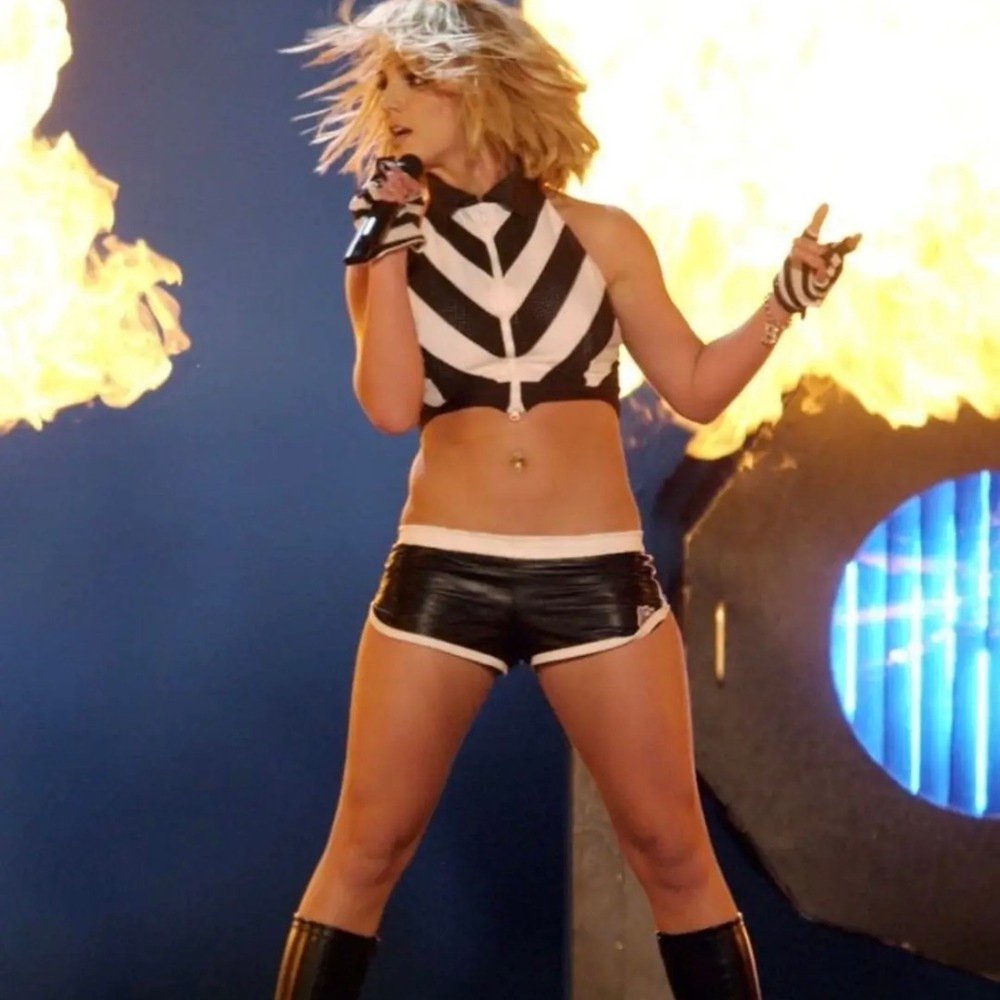
Spears also reflected on authenticity, fame and the pressures of public perception, describing herself as someone who was genuine and naive during her early years in the industry. She pushed back against suggestions that her cultural relevance belongs to the past, writing, “To all the girls who say I’m History… I’M PROPHECY.” The statement reinforced her belief that her influence continues to shape pop music, even as newer artists develop their own visual identities and performance styles.
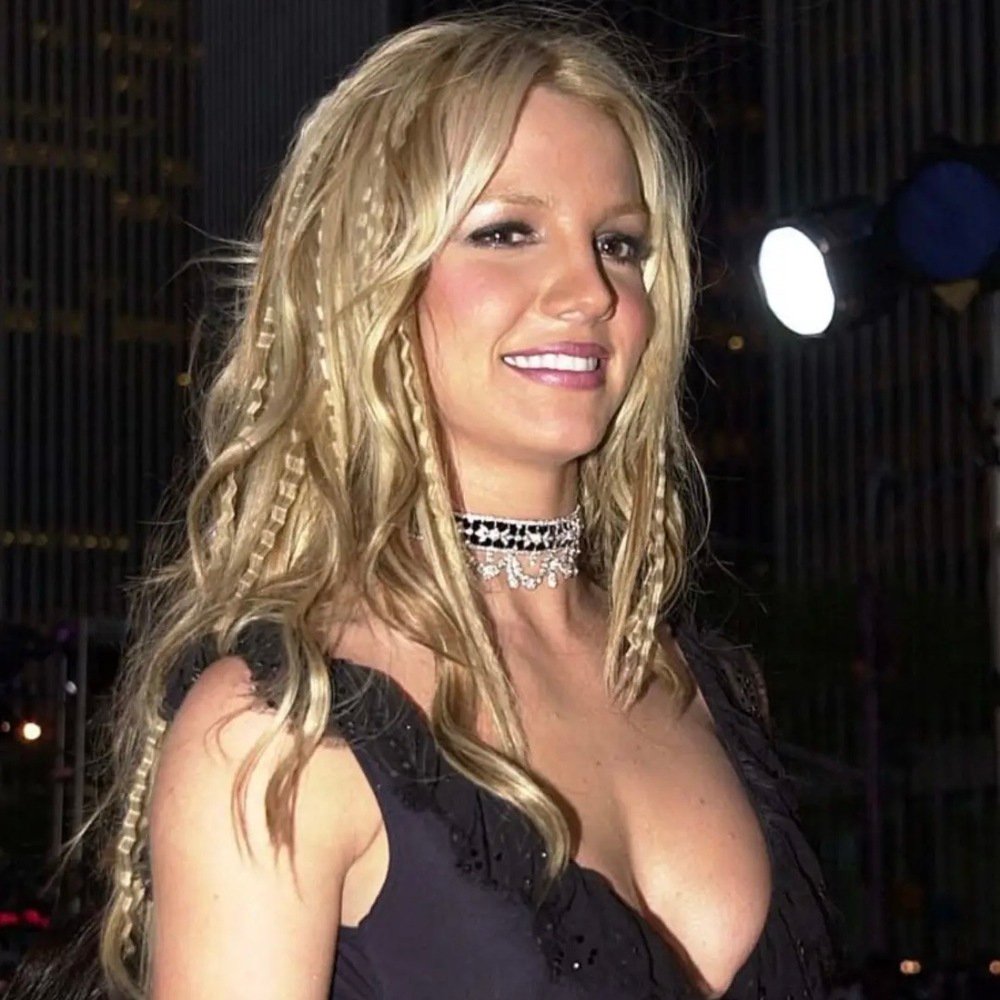
The post has renewed discussion about the relationship between inspiration and imitation in an industry where fashion, choreography and music videos frequently revisit iconic eras. Spears’ schoolgirl look remains a defining reference point in pop culture, nearly three decades after its debut. While the singer did not identify anyone directly, her comments underline how her legacy continues to inform conversations about originality, artistic identity and the evolution of the modern pop star.
