
Apr
Industry Insight
Taylor Swift Moves to Trademark Her Voice & Image Amid AI Threats
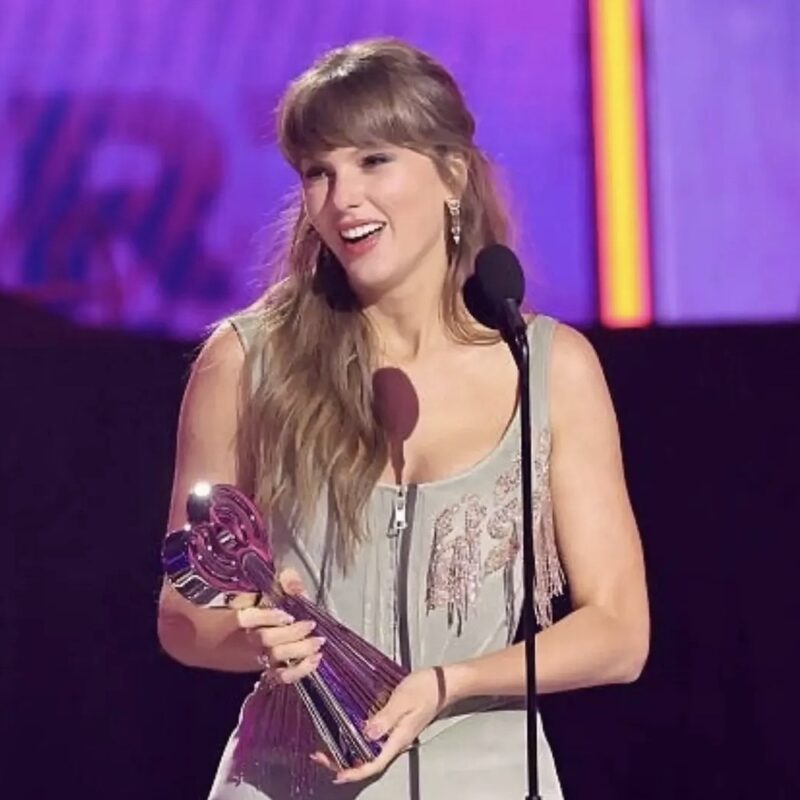
Mumbai, 28th April 2026: In a bold move to protect her identity in the AI era, Taylor Swift has filed trademark applications for her voice and image, signalling a new frontier in music industry rights. The filings, made through her company TAS Rights Management, include two distinct audio signatures (“Hey, it’s Taylor Swift” and “Hey, it’s Taylor”) and a specific performance image from her tour. This isn’t just a legal update, it’s a cultural moment, where one of the world’s most powerful artists is actively redefining ownership in a rapidly evolving digital landscape.
The timing is no coincidence. AI-generated deepfakes and voice clones have become increasingly sophisticated, blurring the line between real and synthetic content. Swift herself has previously been targeted by viral AI-generated images and misleading endorsements, highlighting the risks artists face in losing control over their likeness. By trademarking her voice and visual identity, she’s attempting to create a legal boundary where consent becomes central, something traditional copyright laws have struggled to enforce in the age of generative AI.
What makes this move particularly groundbreaking is its legal ambition. Trademarking a spoken voice is still largely untested territory, but experts suggest it could allow Swift to challenge not just exact copies, but also imitations that feel ‘confusingly similar’. This strategy adds a new layer of protection beyond existing publicity rights, positioning trademarks as a powerful tool in combating AI misuse. It also places Swift alongside other public figures like Matthew McConaughey, who have begun taking similar steps to safeguard their identity in an AI-driven world.
Beyond the legal implications, this moment reflects a larger industry shift. With over 400 trademarks already tied to her brand, Taylor Swift has long understood the value of ownership, but this move pushes that philosophy into the future. In 2026, as AI continues to redefine creativity, her latest filings aren’t just about protection, they’re about control, authorship, and the right to define one’s own narrative. And once again, Swift isn’t just adapting to change, she’s leading it.
