
Apr
Prime Feature
Fans Will Love It. Critics Won’t. Here’s Why ‘Michael’ Is Dividing Everyone
Jaafar Jackson transforms into Michael Jackson in ‘Michael’, but the film plays it too safe.
Mumbai, 24th April 2026: Few artists have ever commanded the kind of global obsession that Michael Jackson did, so when ‘Michael’ was announced, with Antoine Fuqua at the helm and Jaafar Jackson stepping into the spotlight, the expectations were never going to be ordinary. The film arrives wrapped in spectacle, scale, and nostalgia, delivering visually grand sequences that remind you exactly why Jackson became a once-in-a-generation icon. Yet beneath the polished surface lies a more complicated cinematic experience, one that dazzles in moments but struggles to dig deeper when it matters most.
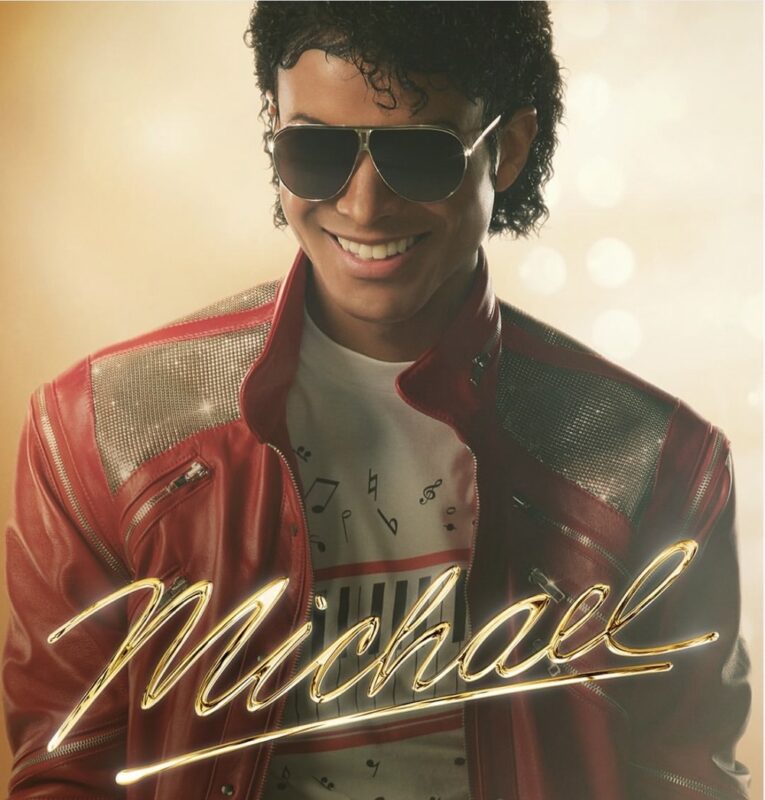
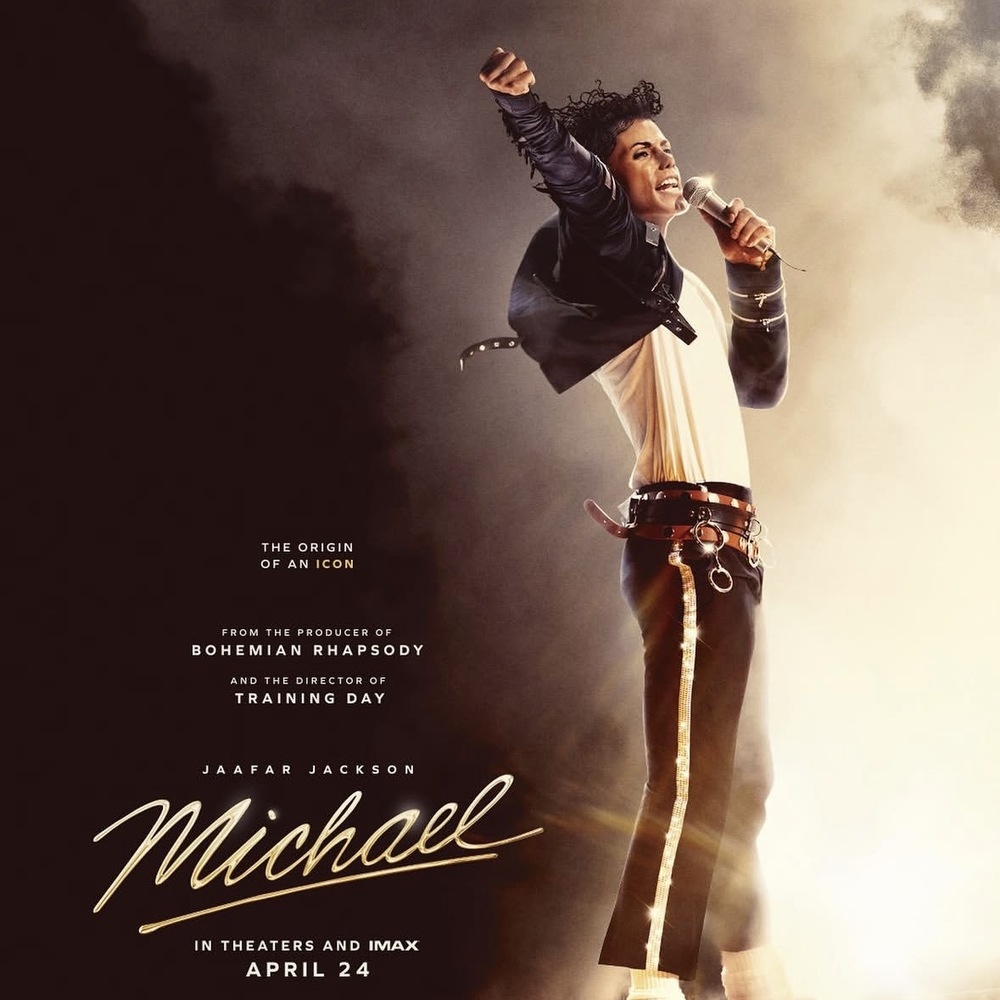
There’s no debate here, Jaafar Jackson is the heartbeat of ‘Michael’. His transformation into Michael Jackson goes far beyond imitation, capturing the smallest nuances of movement, voice, and presence with uncanny precision. Every performance sequence feels meticulously crafted, almost like watching archival footage come alive. What elevates his portrayal is not just technical accuracy but emotional immersion; he doesn’t just recreate the icon, he inhabits him. In many ways, his performance carries the film through its weaker narrative stretches, making it one of the most compelling musical portrayals seen in recent cinema.
Stream the trailer here:
If there’s one area where ‘Michael’ feels unstoppable, it’s the music. The film leans heavily into the legendary catalogue of Michael Jackson, allowing timeless tracks to drive its emotional rhythm. Songs like ‘Billie Jean’ and ‘Thriller’ don’t just appear, they elevate entire sequences, transforming them into immersive experiences that feel closer to a live concert than a traditional film. These moments inject energy and nostalgia into the narrative, often compensating for storytelling gaps. It’s in these sequences that ‘Michael’ feels most alive, reminding audiences why Jackson’s artistry continues to transcend generations.
Where the film begins to divide audiences is in its storytelling choices. ‘Michael’ feels less like an unfiltered biopic and more like a carefully curated tribute. The narrative avoids diving into the more controversial and complex aspects of Michael Jackson’s life, opting instead for a safer, more polished portrayal. This approach results in a film that feels emotionally restrained, as if it is more concerned with preserving a legacy than exploring the truth behind it. While this may resonate with devoted fans, it leaves a noticeable gap for viewers expecting a more honest and layered depiction.
One of the noticeable aspects of ‘Michael’ is how it structures its narrative. Rather than unfolding as a deeply interconnected story, the film often feels like a sequence of iconic moments strung together, almost like flipping through a greatest hits playlist. Each segment captures a milestone or performance, but the transitions between them can feel abrupt, limiting the depth of emotional progression. While this format works in delivering memorable highlights, it also prevents the film from achieving the narrative cohesion typically expected from a biographical drama.

Despite its flaws, ‘Michael’ holds undeniable cultural significance. It may not aim to be the definitive or most revealing account of Michael Jackson’s life, but it succeeds in making his story accessible to a global audience. For fans, it offers a nostalgic and visually rich celebration; for critics, it sparks conversations about authenticity and artistic responsibility in biopics. More importantly, the film reinforces the enduring power of music-driven storytelling in cinema, proving that the pull of a legendary catalogue can still command massive attention, regardless of critical reception.
‘Michael’ is a visually stunning and emotionally engaging tribute that ultimately chooses safety over depth. It delivers unforgettable performances and iconic music but stops short of exploring the full complexity of its subject. The film gives audiences the legend they remember, but not necessarily the complete story behind it, and that choice defines both its appeal and its limitations.
Rating: 3/5 ⭐
Photo credit to the makers
