
Feb
From the Vault
What ‘Marammat’ gave me was an ease about taking my time, letting things unfold without forcing them: Sahil Samuel aka NAALAYAK
With ‘Marammat’, Sahil Samuel, better known as NAALAYAK, has carved out a quiet, emotionally resonant space in India’s alternative music landscape. The album doesn’t chase resolution or spectacle; instead, it lingers in the pauses, the late-night thoughts, and the unfinished feelings we often avoid confronting. Following a five-city India tour, recognition as an Amazon Music Artist to Watch in 2026, and a growing presence, ‘Marammat’ has evolved from a deeply personal body of work into a shared emotional experience. In this conversation, NAALAYAK reflects on repair, uncertainty, and the slow, intentional process of staying honest through music.
Marammat feels deeply personal and emotionally raw. What does the album represent in your life journey, and what kind of ‘marammat’ were you trying to express through it?
‘Marammat’ is really about sitting with things instead of trying to escape them. The album is made up of small moments, thoughts that come late at night, conversations you replay in your head, feelings that don’t have clear names. I wanted the songs to feel ordinary in that way, because that’s where most of our real damage and repair actually happens. The idea of ‘marammat’ here isn’t about fixing everything or arriving at some big breakthrough. It’s quieter than that. The album doesn’t try to offer answers or neat endings. It just stays with the feeling. Each track is like a pause, a moment of being honest with what’s there, without rushing to resolve it.
You completed a 5-city India tour, how has the live audience response shaped your connection with Marammat as a body of work?
Playing these songs live has made the album feel more real to me. When you write something in a room, it still belongs to you in a very contained way. Taking ‘Marammat’ across Delhi, Mumbai, Pune, Hyderabad, Bangalore changed that. On tour, you see how people receive it, which lines make a room go still, which moments make people look up, which parts they carry with them. That response has stayed with me. It’s made me want to keep returning to these songs in live spaces, to let them keep growing in different rooms. In those moments ‘Marammat’ stopped feeling like something that only belonged to me and started feeling like something that belonged to all of us. It’s a feeling I know I’ll be returning to very soon.
Stream the album here:
Being named an Artist to Watch Out For in 2026 by Amazon Music is a huge milestone. What did that recognition mean to you personally and professionally?
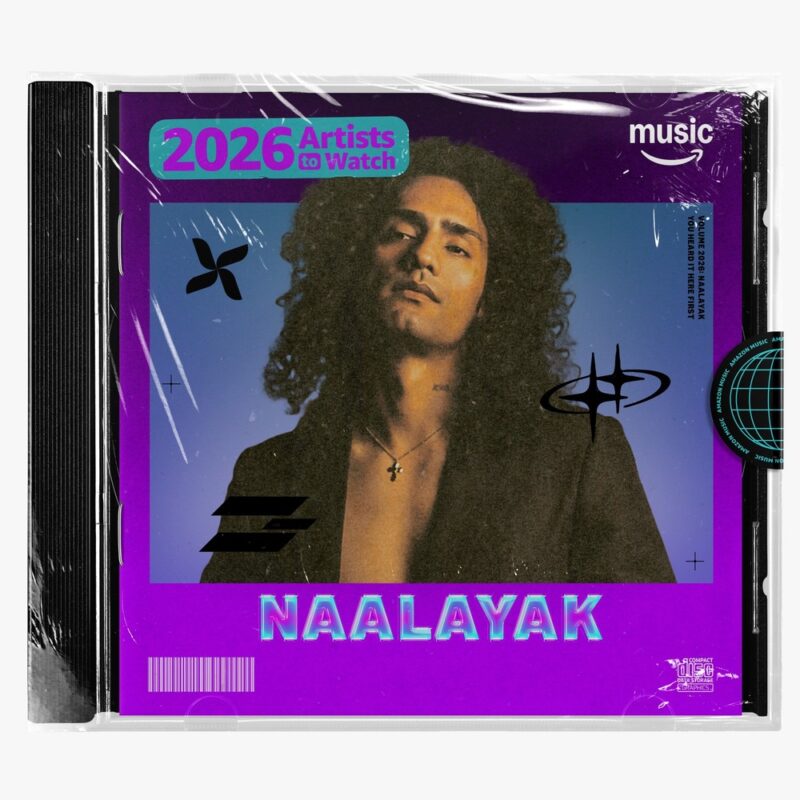
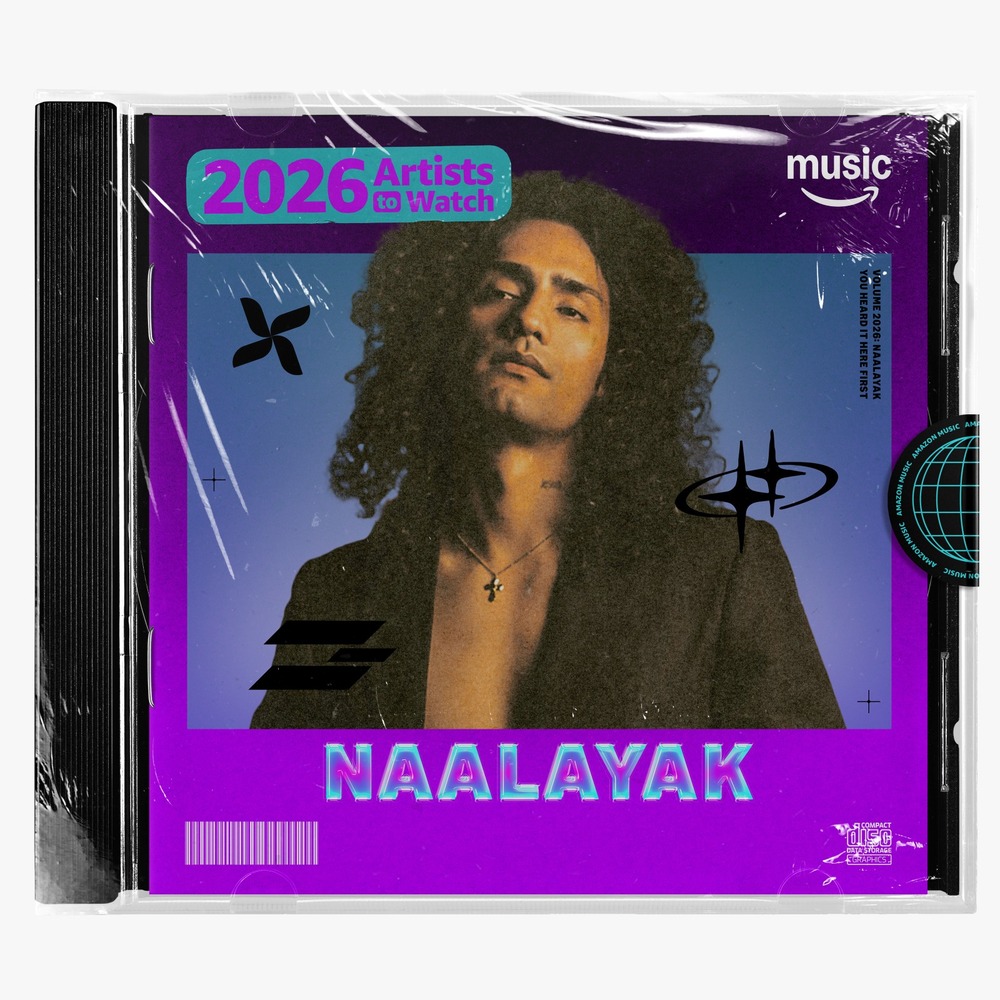
It felt reassuring more than anything else, in the sense that the work is travelling further than I ever imagined for it to. Being one of three Indian artists on that list and seeing NAALAYAK up on a screen in Times Square, is surreal, what it really tells me is that the music is crossing contexts I didn’t imagine for it. Professionally, it opens a few more doors. It gives my music a certain visibility. But personally, it just reinforces something simple, that my music will find its place.
How did the collaboration with Warner Music for ‘Marammat’ come about?
It happened quite organically. With Warner, the dialogue felt aligned, they were interested in supporting what already existed rather than steering it in a different direction. So, the collaboration grew out of mutual respect for the work and a shared understanding of how the album needed to be held and presented.
Watch the music video of ‘Gulfam’ here:
What were the biggest struggles and turning points in your journey that shaped the artist NAALAYAK is today?
A lot of it has been about learning to stay with uncertainty. In the early days, there was no clear path, just a lot of trial, self-doubt, and the feeling of not quite fitting into any mould. But even in that uncertainty, I was clear about one thing, I only wanted to make my own music. I kept writing, kept building songs, and refused to perform anything that didn’t feel like mine. That stayed constant. The struggle was about direction, not identity. I was unsure of the path, but I was never unsure of the kind of artist I wanted to be. Staying true to that, even when it felt impractical, is what shaped NAALAYAK more than any single breakthrough.
Looking ahead, how do you see your sound, storytelling, and identity evolving after ‘Marammat’, and what should fans expect next from you?
I don’t think in terms of reinvention. I’m still interested in the same things, writing honestly, staying close to how I actually feel, letting the songs take their own shape. What ‘Marammat’ gave me was an ease about taking my time, letting things unfold without forcing them. That sense of restraint, of not having to rush a feeling or a song, is something that will stay with me. Going forward, the sound may change in small ways, but the intent won’t. I’ll keep writing the way I always have, observing, sitting with things, not rushing them into something they’re not. My listeners can still expect the work to remain personal, and very close to where I am at that moment. My music will keep evolving, but it will always come from the same place.
What emerges clearly through this conversation is NAALAYAK’s commitment to patience, both with himself and with his art. ‘Marammat’ isn’t positioned as a turning point or a reinvention, but as a moment of stillness that continues to expand with every room it enters. As his journey unfolds across larger stages and wider audiences, Sahil remains grounded in the same instincts that shaped his earliest work: observation, restraint, and emotional truth. Rather than chasing momentum, he allows his music to arrive in its own time. It’s this quiet confidence, and refusal to rush feeling into form, that continues to define NAALAYAK’s voice and future.
